
The folder from the Portuguese consulate slid across the desk, and the fund inside it no longer led to a passport. That was the summer the property routes closed, and a lot of people found their backup plan had already shut.
You walk in believing Spain, Ireland, the UK, Canada and Australia killed the category outright, which makes every surviving program look the same. Thirteen still function in 2026, and most of them sell residence, not citizenship. Take a US couple in their early 50s with $500,000 earmarked, another 10 to 15 percent held back for fees, sixty days a year abroad at most, two children under 18 and a parent over 65.
The screen is the same for every country: what the money buys, how many days it demands, and whether the status survives the sale or redemption after the minimum hold. Expect 6 to 18 months to a residence card, then a 2 to 5 year renewal cycle.
Quick Tips Before You Start
Print the portal page
Pull the official immigration page for every country you're considering and print it with today's date. Brokers quote stale rules.
Hold back 10–15%
Government fees, due diligence, translations and apostilles eat into the earmarked sum. Don't spend the whole $500,000 on the investment.
Test the family scope
A spouse, two minor children and a parent over 65 each need their own line in the official rules. Never assume they're included.
Count the days
If a program needs more than 60 days a year in-country for the first two years, flag it. The couple in this article can't meet it.
Check the exit first
Ask what happens if you sell the property or redeem the fund after the minimum hold. If the answer is vague, move on.
1. Portugal: Funds, Not Property
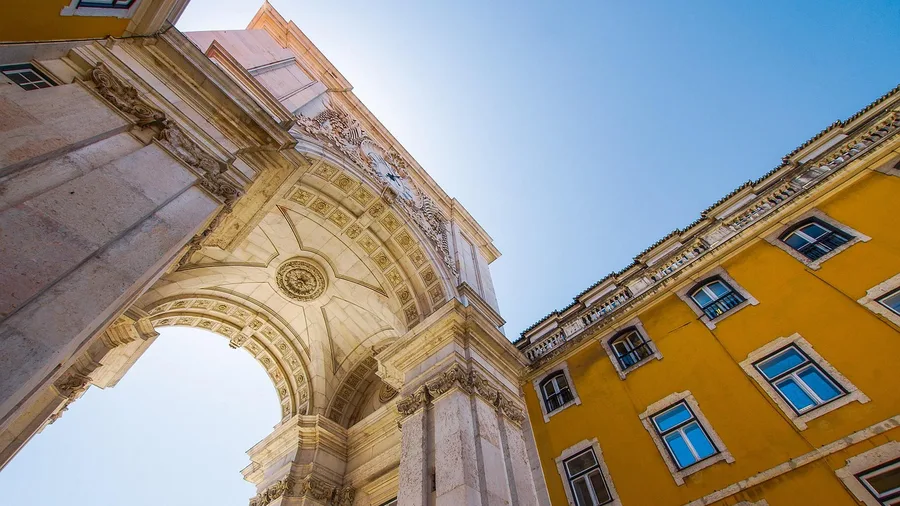
Portugal used to be the easy one: you wired the money, bought the apartment, and the card followed. That route is gone, and the remaining path asks more of you, not less.
The real estate channel is closed. What survives under the golden visa is a subscription into a regulated fund, a job-creation route, or a cultural donation, and the working figures for all three sit on AIMA, the Portuguese immigration agency's page. Check it yourself, on the day you read this, because the amounts, the holding period and the renewal fees are legal numbers that move, and nothing here substitutes for that page. The screen is the same one applied to every program on this list: what the capital buys, what presence it demands, and whether the status survives exit. On the first question, a fund subscription is the route that fits your earmark. Hold back 10 to 15 percent on top for government fees, due diligence, apostilles and a Portuguese lawyer, and see whether the subscription clears the portal's current minimum before you treat Portugal as a live option.
Presence is the reason it stays alive on your shortlist. Roughly a week a year on the ground keeps the residence valid, which sits comfortably inside a 60-day annual ceiling. The citizenship clock runs about five years from the card, but it is a clock, not a guarantee: the language and civics requirements are spelled out on the official citizenship page, and the level and the evidence they accept have to be confirmed before you count the years, not after.
The catch is the fund itself. There is no capital guarantee. You are buying a stake in a regulated vehicle, and the value can fall as well as rise. The citizenship registry queue also moves slowly, and a family of five does not get waved through: your spouse, your two children under 18 and the parent over 65 each need a family-reunification check with AIMA. What the route actually sells is residence first, and citizenship years later, not a passport at subscription.
Then the exit test. After the minimum hold, redemption can return your capital, provided the fund has performed and the vehicle allows it. But the residence card depends on the fund being held for the required term, so exiting early can cost you the status before you have the passport in hand. Read the redemption terms before you subscribe, not after.
💡 Tip: The five-year citizenship clock only counts if you meet the language and civics requirements on the official citizenship page. Confirm the exact level and evidence before you start counting.
| Country | Route | Capital committed (confirm on official portal) | Days in country per year | Ends in | Fits |
|---|---|---|---|---|---|
| Portugal | Regulated fund subscription or cultural donation | Fund minimum set by AIMA; confirm current figure | Roughly one week | Residence, then citizenship after five years | Schengen base with almost no time on the ground |
| Greece | Property purchase by postcode tier | Prime Athens, Thessaloniki and popular islands at the top tier | Low, but check the renewal rule | Permanent residency, not citizenship | Mediterranean base with a rental asset |
| Italy | Investor visa plus flat-tax election | Categories set by the investor visa portal | Full-time residence expected | Residence; flat tax runs for a fixed term | Genuine relocation with high foreign income |
| Hungary | Approved fund subscription or cultural donation | Thresholds on the Hungarian immigration portal | Set by the program; ten-year permit | Schengen residence, not citizenship | Ten-year Schengen permit with young-program risk |
| Malta | Property plus government contribution for residence; separate naturalisation quota | Two separate fee schedules | Residence renewal; citizenship needs physical-presence years | Residence now, citizenship later | English-speaking family planning to actually move |
| Latvia | Property purchase or company investment | Lowest EU cheque on this list | Temporary permit renewed annually | Residence only; citizenship is separate | Lowest-capital EU foothold |
| Cyprus | Property plus proven foreign income | Property requirement plus income proof | Visit rule keeps residency alive | Permanent residency, outside Schengen | Retirees and remote earners who won't work locally |
| UAE | Property or investment for a ten-year visa | Thresholds on the federal identity and ports authority page | None in the Schengen sense | Ten-year renewable visa; no citizenship | Gulf base with zero local income tax |
| Turkey | Property purchase held for a fixed term | Capital amount and hold period on the migration authority page | Minimal during the hold | Citizenship in months | Fastest second passport |
| Panama | Real estate purchase | Investment threshold on the immigration service page | Presence to maintain the card | Permanent residency early | Proximity, dollars and territorial tax |
| Costa Rica | Investor category | Smallest cheque on this list | Days needed at each rung of the ladder | Temporary to permanent to citizenship | Least capital for real residency and a passport path |
| Grenada | Donation or approved real estate | Amounts plus government and due-diligence fees | None | Citizenship, plus a separate E-2 route into the US | US-bound business owner who can use E-2 |
| New Zealand | Active investor category | Largest capital commitment on this list | Far above 60 days across the investment period | Residence to permanent residency | Genuine relocation to a safe English-speaking country |
2. Greece: Property Tiers By Postcode

Stand on a balcony in Thessaloniki at seven in the morning and the whole city smells of salt and wet stone, the sea flat and pale below you, the ferries already moving. Greece still sells that, but it now prices it by postcode.
The real estate route is open, with thresholds split by location: prime Athens, Thessaloniki and the popular islands sit at multiples of the regional minimum, and the exact euro tiers, plus any transition rule, are on the official Greek immigration portal, checked January 2026. A qualifying purchase has to clear the tier for its address. Short-term rental bans and corporate-ownership rules disqualify some properties outright, so title, use restrictions and ownership structure need confirming on the portal before you make an offer. The route leads to permanent residency, not citizenship, and renewal depends on keeping the asset. Sell it after the minimum hold and the status can end unless you have another route in place, which makes the exit test the one to run first. It suits a family that wants a Mediterranean base and a rental asset rather than a passport, or cheap land that buys citizenship, and it is a splurge: figure the good-address tier plus the usual 10 to 15 percent in fees before you commit. Your 60-day ceiling still needs checking against Greece's presence rule, and the parent over 65 needs a family-reunification check.
Mistakes That Cost Real Money
3. Italy: Investor Visa Plus Flat Tax

Choose Italy only if the plan is a full relocation. It pairs an investor visa with a flat-tax regime built for high foreign income, and the two only pay off together for someone actually living there, where the tax saving has to clear both the visa cost and the change in presence.
Italy's official investor visa portal, checked January 2026, fixes the qualifying investment categories and the figure for each, and those are legal numbers not repeated here without that page's confirmation. The revenue agency's flat-tax page, same check date, sets who may elect it, the annual quota, the yearly amount and how many years it runs. Read both before you model anything, because the election is capped and the queue behind the quota moves.
The catch is the calendar. Italy expects the holder on the ground, not one week a year, so a 60-day ceiling abroad is incompatible and this cannot serve as a backup purchase. Withdraw the investment and the investor status can go; the flat-tax election ends on its fixed term regardless. Run the arithmetic only if the foreign income is large enough that the saving outweighs the move.
4. Hungary: A Fund Route Into Schengen
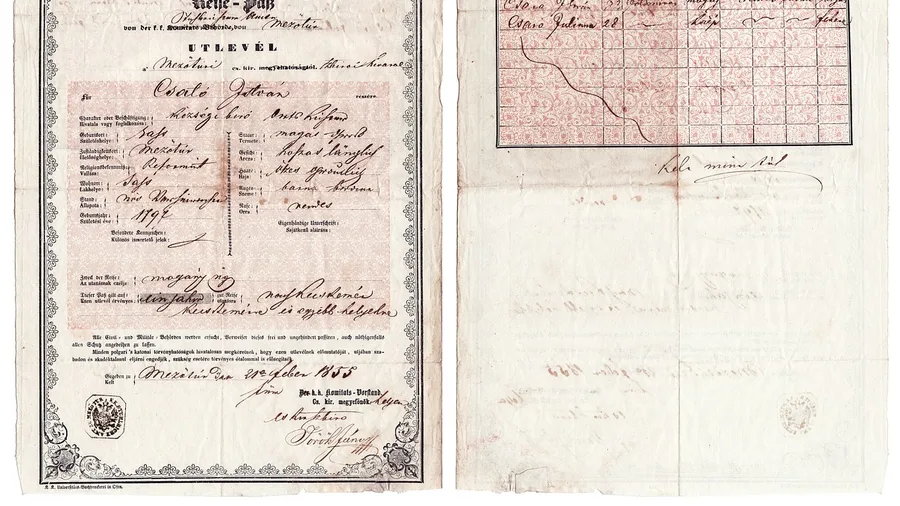
Hungary is the shortest track record on this list, and that is the whole case against it. The route is a subscription into a state-approved fund or a cultural donation, both of which buy a Schengen permit with a term listed at ten years. The 2024-25 amendment published on the official Hungarian immigration portal kept exactly one real-estate option alive and rewrote the rest, so when a broker quotes you a threshold, make them read out the amendment date and the current text. A program this young that has already been rewritten once is not a red flag on its own.
Run the exit first. A donation is gone the day it clears, and a fund subscription is redeemable on paper but the permit is conditioned on keeping it in place, so withdrawal and status are the same lever. Whether a renewed ten-year permit comes back on identical terms has never been tested by anyone. Presence conditions sit on the official portal, check date January 2026, and the family scope for your spouse, two children and the parent over 65 is a separate confirmation. This buys residence in Schengen. Nothing here leads to a Hungarian passport, and anyone selling you one is selling you something else.
The Four-Step Screen Every Program Faces
5. Malta: Residency Now, Citizenship Later

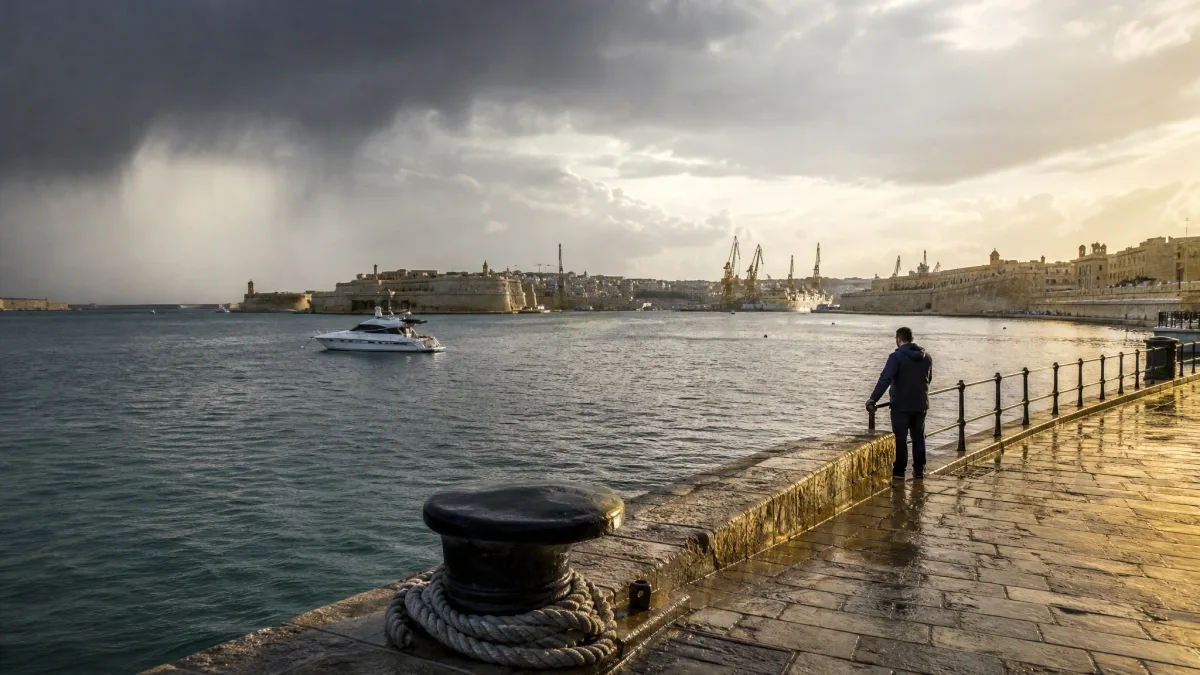
Know before you wire anything that Malta sells you two products with two fee schedules, and the cheaper one does not get you a passport. The first is permanent residence: a property commitment plus a government contribution, priced on the official Maltese portal, check date January 2026. The second is a naturalisation route with a hard annual quota, reserved for people who genuinely live on the island. Your residence card gives Maltese residence. It does not hand you citizenship, and it does not automatically hand you Schengen mobility either, whatever a broker's slide says.
Sit with the gap between those two tracks before you commit, because it decides everything. The citizenship path runs on physical-presence years published by the same official source, and your 60-day ceiling may renew a residence card without ever touching the presence count. Two tracks, two prices, and only one of them ends in a passport.
The exit test splits them cleanly. Sell the property after the minimum hold and the residence card can be affected, but citizenship granted before the sale survives it. That asymmetry is the reason to price the two programs apart instead of assuming one follows the other.
6. Latvia: The Lowest-Capital EU Foothold

You feel it most in January, when the Riga light goes flat grey by mid-afternoon and the permit renewal lands in the same week as the heating bill. Latvia grants temporary residence through a qualifying property purchase or company investment, and the official Latvian immigration portal, checked January 2026, sets the thresholds and any regional or value floors. The permit renews annually and stays tied to the investment for as long as you hold it.
It is the smallest cheque on this list, which is the whole case for it. Presence requirements and the timeline to permanent status sit on that portal, and the route is residency, not a passport shortcut, with citizenship a separate and longer process. Sale means finding a qualifying buyer, and company capital withdrawn ends the status with it. Your $500,000 earmark plus the 10-15 percent fee reserve covers it without strain, but the 60-day ceiling and family scope, including the parent over 65, need portal confirmation before you treat it as settled.
⚠️ COMMON MISTAKE
Don't confuse residence with a passport
Six of the first seven entries here end in residence, not citizenship. A residence card gives you the right to live there; it does not give you a passport, and it rarely gives you Schengen mobility on its own. Price the two separately before you commit.
7. Cyprus: EU Residency, Outside Schengen
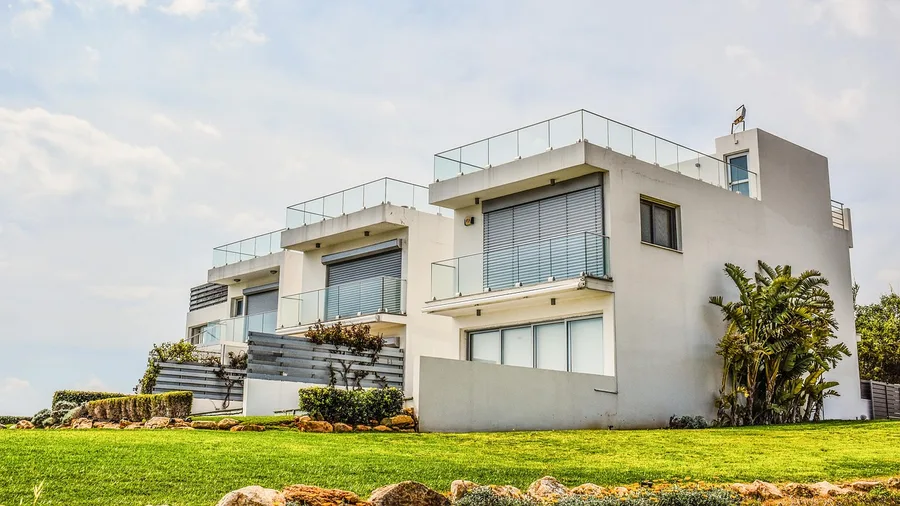
Cyprus sells a permanent residency card, not a permit you renew while you wait for something better. You buy property and you prove income earned outside the island, and the card is permanent from the start rather than a temporary status that upgrades after years of renewals. The official Civil Registry and Migration source, checked January 2026, carries both figures: the property requirement and the income proof, and both are legal thresholds to be read off that page rather than off a broker's PDF.
The income test is the whole design, and it explains who the program is built for. Cyprus does not let the cardholder take local employment, so the model is the retiree or the remote earner living on foreign income. If either of you intends to draw a salary from a Cypriot employer, this route is closed to you, full stop, and the property does not change that.
That constraint is also the fit: one of you earns remotely, the other is heading toward retirement, and neither needs a local job. What the card does not buy is Schengen mobility. Cyprus sits outside the Schengen area, so a day in France is a visa question, not a right that comes with the card. Read the island as the base, not as a key to twenty-nine countries.
A visit rule keeps the residency alive, so confirm the actual days on the official source before you treat Cyprus as a low-presence option. The same page lists which family members qualify, and spouse, two minor children and a parent over 65 each need individual confirmation rather than an assumption that the household travels as one unit.
The exit test is where this one gets sharp. Selling the property may affect the permanent card, and the route never leads to citizenship at all. So the asset and the status are two separate things you can lose independently, and the question to put to a lawyer in Nicosia is not what the card costs but what happens to it the year after the deed changes hands.
💡 Tip: Ask the lawyer to confirm in writing that remote work for a non-Cypriot employer is permitted under the residence category, not just assumed.
UAE Golden Visa — At a Glance
🕙 Term
Ten years, renewable
🏠 Route
Property or investment
👨👩👧 Family
Sponsorship extends to family and domestic staff
💸 Local income tax
Zero
🇺🇸 US tax
Worldwide income still filed and paid
The one-line catch
Zero UAE income tax does not change your US filing obligation, so this is a Gulf base, not a US tax exit.
8. UAE: Ten Years, No Income Tax

Ten years, renewable, with no personal income tax on the table – and no passport at the end of any of it. The UAE golden visa is tied to a property purchase or an approved investment, and the Federal Authority for Identity, Citizenship, Customs and Ports Security, checked January 2026, publishes the thresholds and the renewal conditions. Sponsorship can reach the spouse, the two children and the parent over 65, which is what makes a decade-long term usable for a family of five. The tax point needs one correction before it sells itself: zero personal income tax in the UAE does not touch a US filing obligation, so worldwide income is still declared and still taxed at home. The Gulf base is a residence and processing decision, not a tax exit. Withdraw the property or the investment and the visa can end, and citizenship is not on the table, so the honest reservation is that ten years is a lease on being there, renewable only while the asset stays put. It suits the remote earner or business owner who wants a Gulf base and fast paperwork. The 60-day ceiling sits comfortably inside a model that never asks for Schengen-style presence.
9. Turkey: A Passport In Months

Turkey sells a passport, not a residence card you renew for a decade and then hand back. You buy property at the figure the official migration authority publishes, hold it for the fixed term that page names (both checked January 2026, and both legal figures you confirm there rather than from a broker's slide), and the citizenship file moves while you wait. Of the thirteen programs here, this is the one where the end product is an actual second passport in months rather than a card in years. For a family that needs mobility now, that difference is the whole decision.
Now the part that decides it for your household. Your spouse and your two children under 18 can normally be included, but the parent over 65 is not automatic, and that has to be confirmed on the official text before anyone assumes a five-person application. Military-service obligations and dual-nationality rules also attach to family members, which matters more when one of the children is a son approaching conscription age. Then the money itself: the purchase is denominated in lira, and the lira has a history of moving against the dollar between the day you sign and the day the title clears. Budget the lira exposure as a real cost, not a rounding error.
The passport you get is not an EU one. Turkey's own accession process has been stalled for years, so the visa-free list is narrower than a Caribbean program's and far narrower than an EU passport, and you should pull that list and check it against where you actually travel before you commit. The exit test is the good news: once citizenship is granted it survives the sale, so after the fixed hold you can liquidate the property and keep the passport. That makes this a fit for a family needing a second passport in hand within the year and willing to sit on a lira asset to get it.
🛂 From Capital to Residence Card — A Realistic Six-Step Track
Screen the exit
Confirm on the official portal what happens to status when the investment is sold or redeemed.
Confirm the minimum
Pull the current legal figure from the government page and print it with today's date.
Check family scope
Verify the spouse, two minor children and parent over 65 are named in the rules.
Budget the fees
Hold back 10–15% of the $500,000 for government fees, due diligence, translations and apostilles.
Gather and apostille
Six to eighteen months from document gathering to residence card is realistic.
Renew on cycle
Plan for a two-to-five-year renewal depending on the country and re-verify the rule each time.
10. Panama: Dollars, Proximity, Territorial Tax
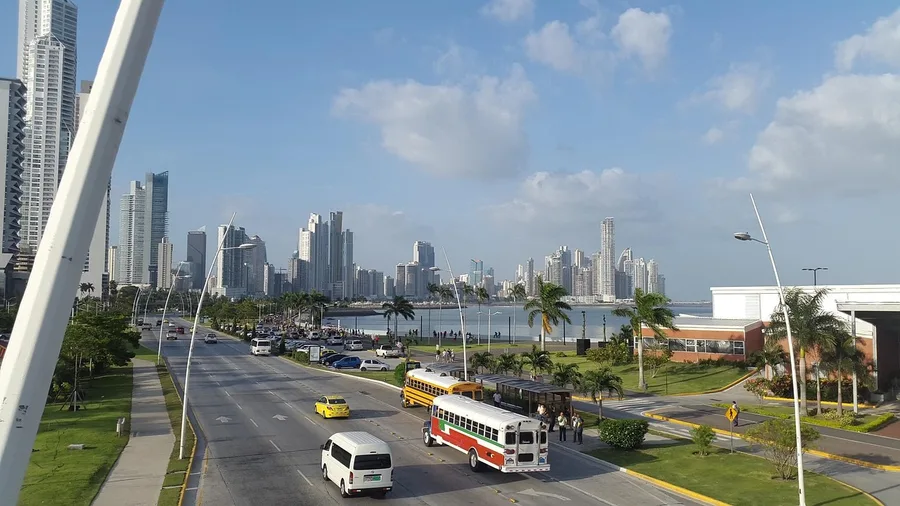
The passport route to the east takes months and a fixed hold before an asset turns into a nationality. This one hands you a residence card with far less urgency and no clock ticking toward a passport. Panama's immigration service lists the property threshold and the number of years you must keep the asset; confirm both on its official page, printed with the day's date, before you wire a deposit.
The permanent card tends to arrive early rather than after years of stacked temporary visas, which is the practical difference between this and most of the list. Spouse, minor children and the parent over 65 each need the same official check on their own inclusion, and in practice that means a family-reunification file, not a name added to a form. On tax, foreign-source income sits outside Panama's net, so what the US earner brings in elsewhere is not taxed there; the US return is unaffected, still filed on worldwide income.
The catch is presence: the card must be kept alive with physical time in the country, and citizenship is a slow road few take. If you sell after the minimum hold, permanent residency may survive, but only the official page answers that, and the meeting where you stand at the window counts on it. Panama suits proximity, dollar bookkeeping and territorial tax; it does not suit anyone whose real goal is a passport.
Residence Route vs Passport Route — What You're Actually Buying
Residence route
- Gives the right to live in the country
- Renewed by holding the asset or fund
- Often includes spouse and minor children
- Schengen mobility only where the program grants it
- Citizenship is a separate, longer process
Passport route
- Gives a second nationality in months or years
- Asset can usually be sold after the hold period
- Citizenship survives the sale of the asset
- Visa-free list depends on the passport, not the property
- Military service and dual-nationality rules can apply to family
11. Costa Rica: Residency For The Least Capital

The investor category here takes the smallest cheque on this list — the threshold sits on Costa Rica's official immigration directorate, checked January 2026, along with where the money has to be placed to qualify. Being the cheapest entry point is not the same as being quick: the ladder runs from temporary to permanent residency over a stretch of years, with each rung's requirement on that same source. Plan for a process, not a card on day one.
Before you treat Costa Rica as a backup, run the days-per-year each stage demands against the 60-day ceiling in your first two years. That number decides whether the low cost is real for you or a subscription you keep paying while living elsewhere. The other half of the arithmetic is patience. The bureaucracy is slow and the citizenship clock runs for years, so this rewards a household that intends to actually live there, not pure investors parking capital.
💡 Tip: Ask the lawyer which qualifying placement counts — a bank deposit, a registered company or a property — and get the current figure in writing.
12. Grenada: A Passport With A US Treaty
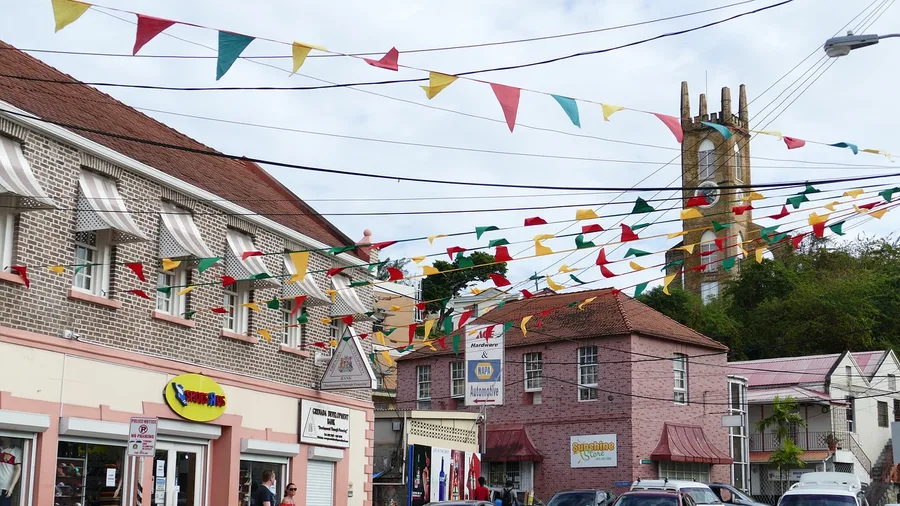
Grenada answers yes, faster than most residency ladders allow. The citizenship unit sets the donation or approved-property amounts plus government and due-diligence fees on its official page, check date January 2026; that page is the paper to print.
The processing timeline and the refusal grounds sit on the same source: a criminal record, a source-of-funds failure, a misrepresentation. Due diligence is the gate and not a courtesy stop; the file is read line by line. Grenada is the only Caribbean citizenship program whose passport carries an E-2 treaty route into the US, and that route ends at an E-2 visa, not a green card, applied for separately with its own business case. A US-bound owner with an operating business can use it; someone buying a passport for its travel weight cannot.
The less pleasant half: the visa-free list runs shorter than an EU passport, and the property resale market is thin enough that a sale can take real patience. After the hold period the citizenship stays once the asset is gone, which is the exit test passing. Ask the unit in writing whether the spouse, the children and the parent over 65 are included. The shortfall is real, and the treaty is what you are buying.
13. New Zealand: The One That Wants You There

Three hours off the plane at Auckland and the immigration officer asks how long you plan to stay. You say a number that would be a week in Lisbon and it draws a nod instead of a frown. That is the whole program in one exchange: New Zealand is the rare surviving investor route that reads your answer as a commitment, not a formality. Where a Caribbean passport is bought from a desk abroad, this one is earned by showing up.
The active investor category came through the global crackdown intact, and the official immigration agency's page, checked January 2026, carries the tiers and the split between growth investments and balanced ones. The balanced tier takes a larger cheque for a safer mix; the growth tier asks less but wants the money in younger local companies. Which tier fits is not a number you guess at, and it is not a number this article will print without the page in front of you. Budget it as the largest commitment on any list that survived into 2026.
Then count the days. The presence rule is spread across the investment period rather than a single visit, published on the same official source, and it runs many times Portugal's roughly one week a year. Set that against a 60-day annual ceiling and the arithmetic answers itself: at this level of time on the ground, this is a relocation, not a card you keep warm from Ohio. The investor residence then has to mature into permanent residency, on a schedule the official source sets out, and it is not a property-only purchase that runs on autopilot.
The catch is the size of it. The capital has to sit genuinely at risk in New Zealand companies, not parked in a term deposit dressed up as an investment, and the exit test bites accordingly: withdraw after the holding period and the residency conditions travel with what remains. That is the opposite of Grenada's cash-and-passport logic, and it is why this program is last on the list and not first.
It suits one reader: the family actually moving, to a safe English-speaking country with a functioning health system and schools that do not need a sales pitch. Spouse, dependent children and the parent over 65 all need their inclusion confirmed on the official page before anyone books a shipping container. If the plan is a backup to life in the States, the days requirement kills it in the first year.
💡 Tip: Ask a New Zealand-licensed adviser to confirm the current growth-versus-balanced split and the exact days-in-country requirement before you start the application.
Frequently Asked Questions
Is the Portugal golden visa still worth it in 2026?
Only through a regulated fund subscription, job-creation route or cultural donation. The property route is gone. Presence is roughly one week a year and the citizenship clock runs five years, but fund capital has no guarantee and the registry queue moves slowly. Confirm the current AIMA minimum before you commit.
Which program gets a second passport fastest?
Turkey. A property purchase held for a fixed term can lead to citizenship in months, not years. The trade-offs are lira exposure, a stalled EU process and a narrower visa-free list. Confirm the capital amount and hold period on the official migration authority page.
Can I get EU residency without living there?
Portugal and Latvia both run low-presence routes. Portugal asks roughly one week a year; Latvia's temporary permit is renewed annually and tied to keeping the investment. Neither gives automatic Schengen mobility beyond what the program grants, so read the official residence page carefully.
Does a golden visa lead to citizenship?
Usually not automatically. Greece, Cyprus, Panama and Latvia end in residence, not citizenship. Portugal, Malta, Costa Rica and Turkey have citizenship paths, but each has its own presence years, language or civics test, and annual quota. Price the residence and the citizenship as two separate tracks.
What should I check before paying a lawyer?
Pull the official government page for the country and print it with today's date. Confirm three things in writing: the current minimum investment, the presence rule, and what happens to your status if you sell or redeem the asset after the minimum hold. If the exit is unclear, walk away.
Pick By Exit First, Then By Everything Else
Pick by exit first. If you want the lowest-capital EU foothold, Latvia wins. If you want a second passport fastest, Turkey wins. If you want a Schengen base with almost no time on the ground, Portugal's fund route wins. If tax planning is attached to a genuine relocation, Italy's flat tax is the one to price. The 60-day ceiling quietly kills Italy unless you are moving for good; Latvia, Portugal and Turkey survive to the lawyer call.
No program is worth it if the exit is unclear. Fund redemption, a property resale to a qualifying buyer, status that lives through liquidation: confirm whichever applies before capital moves.
Then pull the official page for your two shortlisted countries, print it with today's date, and have a licensed immigration lawyer in each confirm the current minimum and presence rule. Same folder on the desk, this time with the right name inside.
Two names, one printout, one lawyer call
Pick the two programs that pass the capital, presence and exit screen. Print the official pages with today's date and book a licensed immigration lawyer in each before you wire a dollar.