
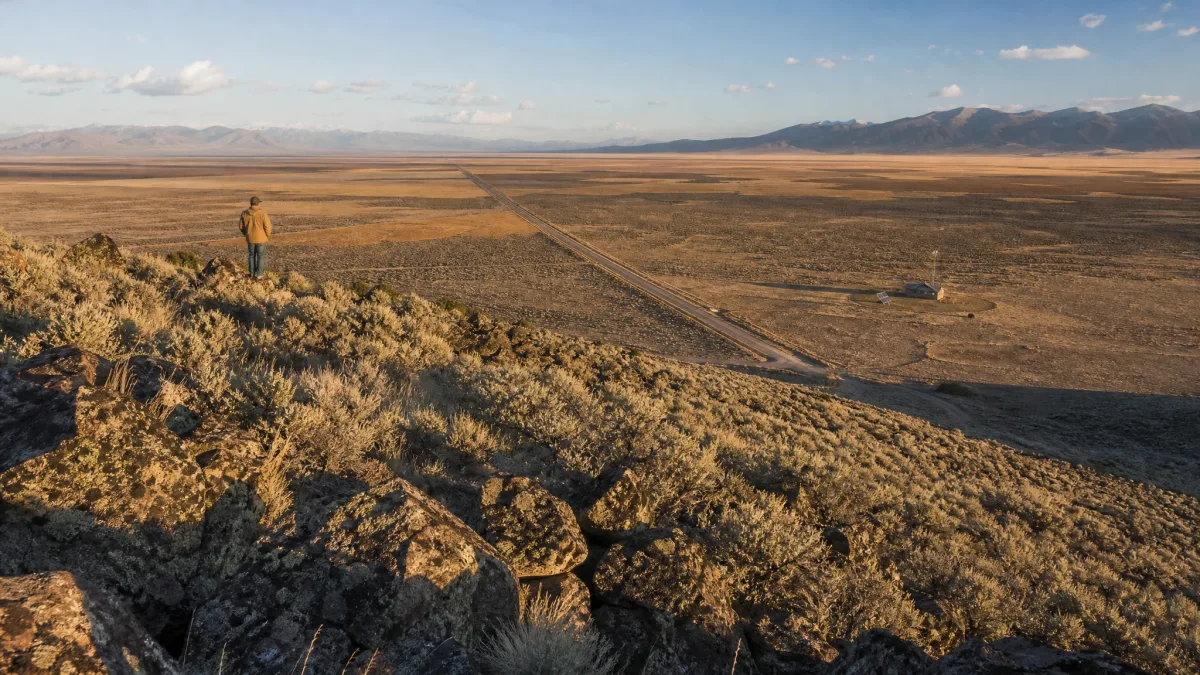
The planning mistake is assuming price per acre tells you anything about whether you can legally park a trailer on the land. That 40-acre parcel in Mohave County at $600 an acre comes to $24,000, about the price of a used truck, and it has no recorded road to it.
The acreage price is the smallest line in the deal. The recorded easement, the well decree, the percolation test and the winter design temperature decide whether anything can legally stand there and what it costs to keep standing.
So the question is not where land is cheap. It is where the two things you cannot buy later, water and a survivable winter, are already answerable on a specific parcel number.
By the end you can rank these ten by your own water and cold tolerance, know the exact office and document for each, and make one call before any offer.
Quick Tips Before You Start
Water before acreage
Ask the state water office for the decree or well log that governs the specific parcel — not the county in general.
Call with the parcel number
Planning offices answer a specific lot; they deflect a general county question.
Check the design temperature
Foundation depth and fuel supply get sized to the winter design temp, not the summer average.
Count the round trip
A 20-mile grocery run in July can be a 90-minute drive in February; price fuel into the plan.
Size the array for the shortest month
Plan 600 to 1,200 amp-hours of battery, a 3,000-watt inverter, and a generator for the darkest weeks.
Get the access easement in writing
The affordable desert parcel is often the landlocked one; pull the recorded easement before offering.
1. Costilla County, Colorado: San Luis Valley Acreage
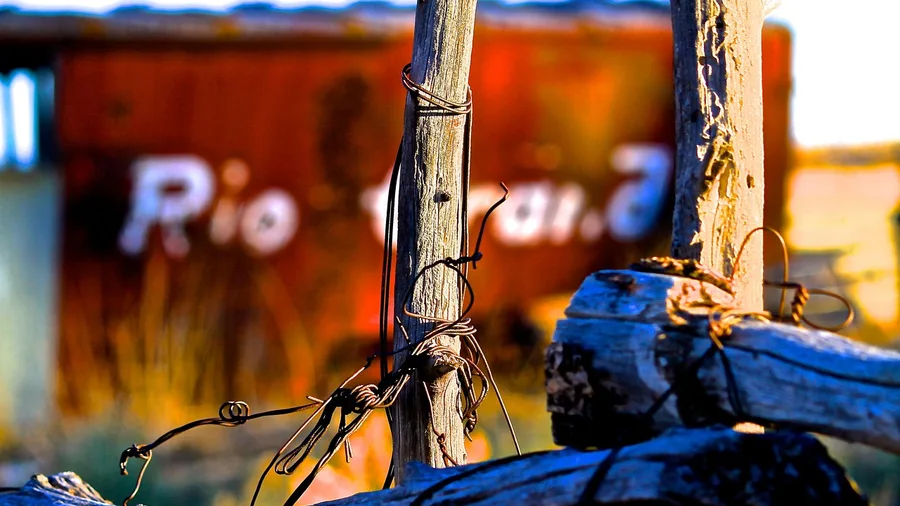
The San Luis Valley is the cheapest way into Colorado high country, and it has been since the Hispano families who settled it in the 1850s dug acequias across the sagebrush and shared the water by an order of priority older than the state. That history is not trivia – it is why the water question here has a written answer, and why you can ask for it by name.
Your five acres will run about $1,500 an acre, so roughly $7,500 for the deed, and they will be flat, alkaline and 7,600 feet up, with twenty-five minutes of gravel between you and propane refills, eggs and a hardware aisle in Fort Garland. The build goes up in stages: a 400-square-foot cabin or a used travel trailer gets you sleeping on the land in year one, while the power system runs bigger than you think you need, a battery bank of 600 to 1,200 amp-hours feeding a 3,000-watt inverter, with a generator on the shelf for January, when the shortest month arrives and the sun does not.
Two numbers decide what the structure actually costs: a minus 10F winter design temperature and 7,600 feet of thin, cold air. The foundation has to go below the frost line and the heating has to be sized before you price a single panel; solar is the easy half. The growing season runs 150 days, enough for potatoes, greens and a greenhouse tomato or two. First call is Costilla County planning, and you ask for the zoning and subdivision rules on that parcel number, not the county generally. Then the real job: the Colorado Division of Water Resources keeps the decree that governs the well on that parcel, and you ask for a copy before any money moves.
💡 Tip: Altitude cuts solar output as much as latitude does — quote the array with the 7,600-foot elevation in the sizing, not sea-level numbers.
| Place | Office that rules on it | Example parcel and price per acre | Growing season | Winter design temperature | Miles to groceries and hardware |
|---|---|---|---|---|---|
| Costilla County, Colorado | Costilla County planning | 5 acres at about $1,500/acre (~$7,500) | 150 days | minus 10F | 25 |
| Brewster County, Texas | Brewster County (wastewater plan) | 10 acres at about $1,200/acre (~$12,000) | 210 days | 15F | 80 |
| Taos County, New Mexico | Taos County planning; NM State Engineer (water) | 10 acres at about $900/acre (~$9,000) | 150 days | minus 10F | 30-45 |
| Mohave County, Arizona | Mohave County recorder (access) | 40 acres at about $600/acre (~$24,000) | 210 days | 15F | 30 |
| Ozark County, Missouri | Ozark County health office (septic) | 20 acres at about $1,800/acre (~$36,000) | 170 days | 0F | 20 |
| Hancock County, Tennessee | Hancock County (septic and slope) | 15 acres at about $2,400/acre (~$36,000) | 180 days | 0F | 25 |
| Washington County, Maine | Maine Land Use Planning Commission | 40 acres at about $1,100/acre (~$44,000) | 120 days | minus 20F | 30 |
| Lincoln County, Montana | Lincoln County sanitarian (well and septic) | 20 acres at about $2,500/acre (~$50,000) | 90 days | minus 30F | 45 |
| Matanuska-Susitna Borough, Alaska | Mat-Su Borough planning | 5 acres at about $6,500/acre (~$32,500) | 90 days | minus 30F | 20 |
| Essex County, Vermont | Town zoning office; VT Agency of Natural Resources | 25 acres at about $1,600/acre (~$40,000) | 120 days | minus 15F | 20 |
2. Brewster County, Texas: Desert Land Near Big Bend
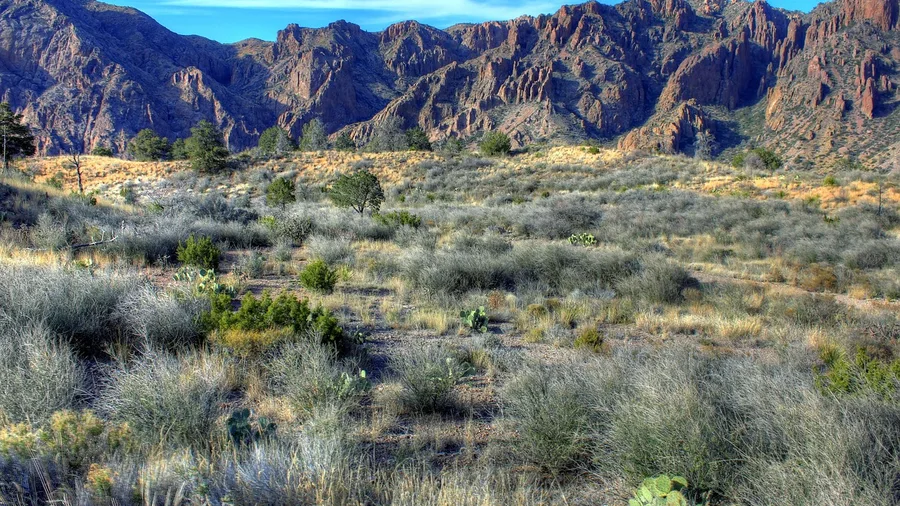
Yes – and you will pay for it in water and miles. Ten acres outside the park run about $1,200 an acre, roughly $12,000 outright, which is the least expensive way into desert country anywhere on this list.
Now the honest part. Water is hauled in jugs and drums or drilled at real depth, and rainfall catchment has to be sized against the 210-day growing season, not the annual average, because your plants drink hardest while the tank is lowest. The county's wastewater plan is the document that decides where on those ten acres the trailer can legally sit, so ask before you clear a pad. And this is a place for someone comfortable with heat over 100F and a hospital two hours out – 80 miles of it to Alpine for a full grocery and a hardware store. If you have a heart condition or a toddler, look elsewhere; if you want solitude and cheap ground, it is here.
The Four Calls That Come Before Any Offer
3. Taos County, New Mexico: High Desert at Tres Piedras
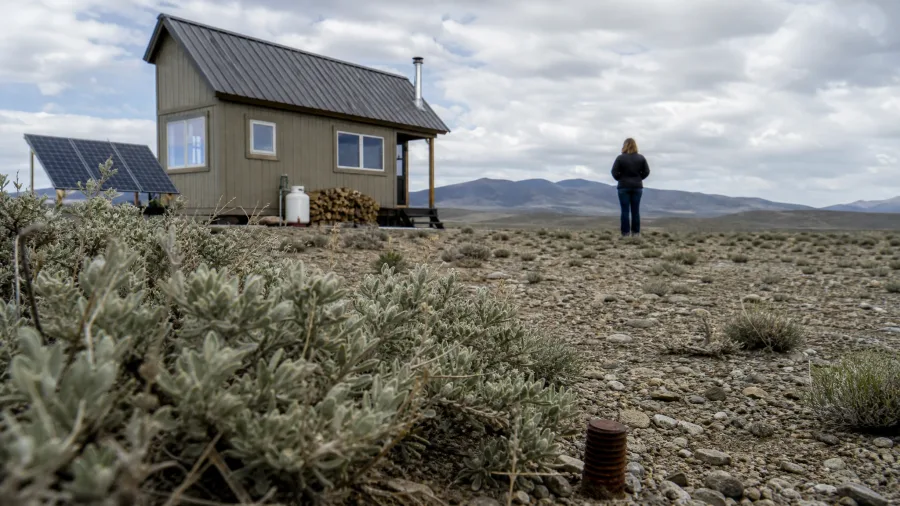
You walk the ten acres at first light with the sage crushed underfoot and your breath hanging, and you notice the wind before anything else – Tres Piedras sits on a high, cold, open shelf where the sun hits hard and the night pulls everything back. Yet off-grid building is ordinary here, not a curiosity, and that changes the whole feel of a purchase. Ten acres run about $900 an acre, roughly $9,000, thirty minutes from a store in Tierra Amarilla and forty-five from Taos.
Colder than the warm desert, cheaper per acre, and decided almost entirely by what your neighbours' wells found. The spending order is upside down from what most people expect. Two figures do that: a 150-day growing season, which is workable, and a minus 10F winter design temperature, which is not forgiving.
You insulate first, seal the shell, plan the heat before you plan the panels – the battery bank, the 3,000-watt inverter, the generator for the cold snap are the straightforward part of this build, and you will be grateful you spent the money on walls instead of watts.
💡 Tip: Ask two neighbours on the same road what their well cost and how many gallons per minute they get. That beats any listing claim.
⚠️ COMMON MISTAKE
The Landlocked Cheap Parcel
The most affordable desert lot is often the one with no recorded legal access. Pull the easement or right-of-way at the county recorder before you offer, or you have bought land you can only reach by helicopter.
4. Mohave County, Arizona: Desert Parcels With Legal Access
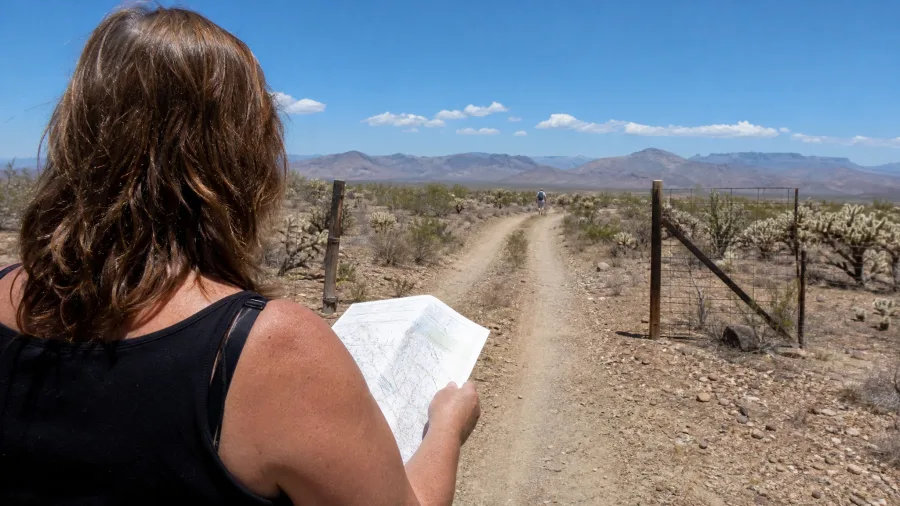
Pull the recorded easement before you pull the listing photos. The affordable Mohave County parcel is often the landlocked one, and a right-of-way that exists only in the seller's telling is worth nothing once you have signed. The county recorder is the office, and the document you want is the recorded easement or right-of-way attached to that parcel number, in writing, with a legal description that touches a public road.
A 40-acre parcel at about $600 an acre runs roughly $24,000, 30 miles from Kingman for fuel, water and groceries. Check the neighbours on the plat, too: the Arizona State Land Department and the Bureau of Land Management are the two to look up, because a parcel ringed by public land has to prove its way in, not assume it. The 15F winter design temperature is kind; the 210-day growing season is not the gift it looks like, since summer heat and hauled water set how much of it you can actually plant. And when the day ends hot and the cooler is down to ice, the drive into Kingman buys you a plate at a diner for around $15, which beats cooking in an Arizona July.
Cheap Desert vs. Cheap Green Country
Cheap desert (AZ, TX, NM)
- Lower price per acre: $600-$1,200
- Access and wastewater are the hard checks
- Water hauled, stored or drilled deep
- 210-day growing season, 100F+ summers
Cheap green country (MO, TN, ME)
- Higher price per acre: $1,100-$2,400
- Spring or shallow well often possible
- Septic and road grading are the hard checks
- 120-180 day season, mild to cold winters
5. Ozark County, Missouri: Ridge Land and Springs
Buy the ridge in winter, not in June – and walk that gravel track at dusk before the light goes. Flat ground in the Ozarks disappears the moment you ask for a building site; the usable pad is always cut into a slope, and the track that reaches it is the number one difference between this county and the desert country where you started looking. Here the water falls out of the sky and the county health office does the deciding – the spring or the shallow well is drilled in the first dry week you own the land, and the perc test on the soils map gets ordered at the same time.
The full picture for a sample: twenty acres, about $1,800 an acre, roughly $36,000 outright, twenty minutes from Gainesville where you can buy feed, lumber and groceries. That is cheap green acreage, and water is the easy part – a spring, a holding tank, a shallow well that seldom needs more than 60 feet. The money that stands up without warning is the septic: the Ozark County health office rules on the percolation and the parcel number, and the perc test is the first real check you write.
A 170-day growing season and a 0F winter design temperature – long enough for field corn, tomatoes that ripen on the vine, a set of laying hens that keep going through most of the year. The cold decides whether your food store is a root cellar or a greenhouse: one stays at 50F by the earth itself, the other eats power from the array and asks for a bigger generator in February.
The road in is the question you put to the county before you sign anything: is it gravel, who grades it, and who pays for the grading after ice and mud. Ask the nearest neighbour who owns the driveway before you ask the seller.
💡 Tip: A ridge parcel drains well but the driveway washes out. Ask the county road department who maintains the last mile before you commit.
6. Hancock County, Tennessee: Clinch Mountain Hollows
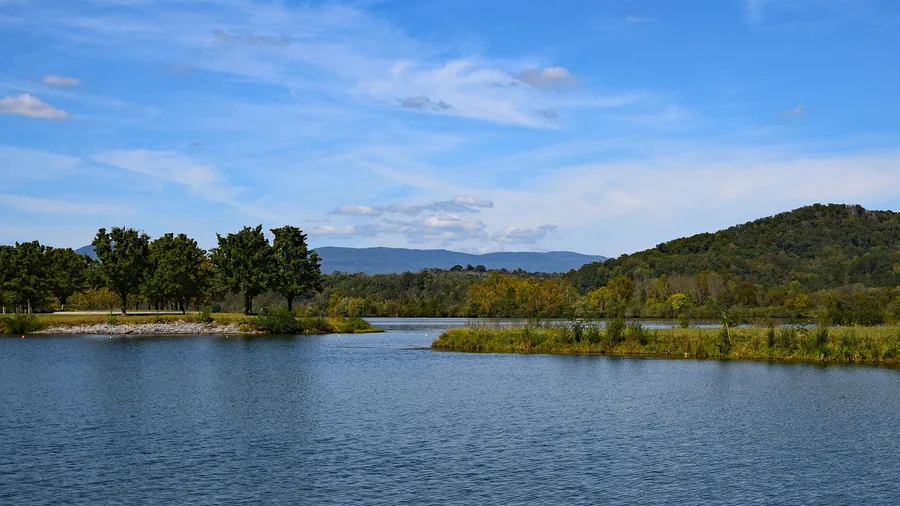
Where the ridge country forces you into soil and grade, the Clinch Mountain hollows push the cost into slope and a single spring – and the residents who live there will tell you the best acreage sits at the end of a dead-end road, not on the hilltop listing. Fifteen acres at about $2,400 an acre, roughly $36,000 outright, 25 minutes from Sneedville for groceries and the co-op. Steep, wooded hollows where the spring replaces the well, and the building pad has to be cut into a bench above the flood line.
That spring feeds the house, the garden and the livestock only if it keeps running in August. A flow test on the last week of that month is the step that decides whether the parcel holds water through a dry year – a spring measured in April tells you nothing about September. Ask the county health office for the flow requirements on the parcel number, have a neighbor with a spring nearby show you their gauge, and count gallons per minute against your own use before the offer.
Hancock County is the office for the septic and slope questions, and the soil survey is the document to read before either – the county sanitarian can tell you which of the two lot lines the tank and drain field can use, and where the slope makes a standard system impossible. The slope also decides the solar: the ridge crests have the exposure, and the hollows have the shade. You are trading sun for shelter when you pick a hollow.
A 180-day growing season and 0F winter design temperature suit a gardener more than a solar purist. Shade and grey winters are the trade for mild cold – the south-facing bench grows greens all but the coldest six weeks, but your array needs the ridge. Plan the house site at the top of the bench and the garden at the bottom.
Then walk the property line with the soil survey in hand and count how many hours the sun clears the ridge in January – if it does not clear, the garden is the wrong side of the hollow.
💡 Tip: Time your visit for a dry August week and ask to see the spring flow then — not during spring green-up.
The price per acre is the smallest number in the deal. Water and winter are the two that decide whether you can stay.
— What every county office on this list will tell you
7. Washington County, Maine: Unorganized Township Woodlots
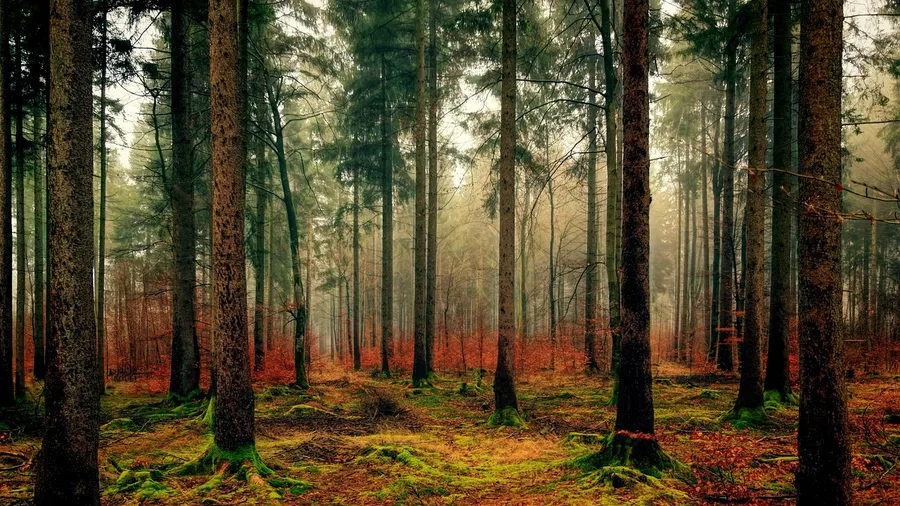
The spruce closes in so tight that late-afternoon light goes amber, and the loudest thing in the timber is the suck and click of your boots in the duff. That is the unorganized townships of Washington County, Maine, and the quiet is the reason 40 acres at around $1,100 an acre — roughly $44,000 — looks like the best deal in the Northeast. There is a catch, and you should hear it before the money leaves your account: no town board is going to answer your question, because in these townships there is no town.
The authority is the Maine Land Use Planning Commission, and the ask is two questions about one lot: the land use standards that apply to it and the standards that apply to the access road. Machias is about 30 miles out for groceries and a hospital. Then the weather presents its bill: a minus 20F winter design temperature and a 120-day growing season. Subtract that from the 180 days you could garden south of here and you get a shortlist of crops and a root cellar planned in the first year, not a full garden planned for the third. The line that surprises new owners is plowing. On a township road nobody grades or plows it for free, so before you sign, find out who clears that road and what they charge — in writing, attached to that lot.
8. Lincoln County, Montana: Deep Woods in the Yaak
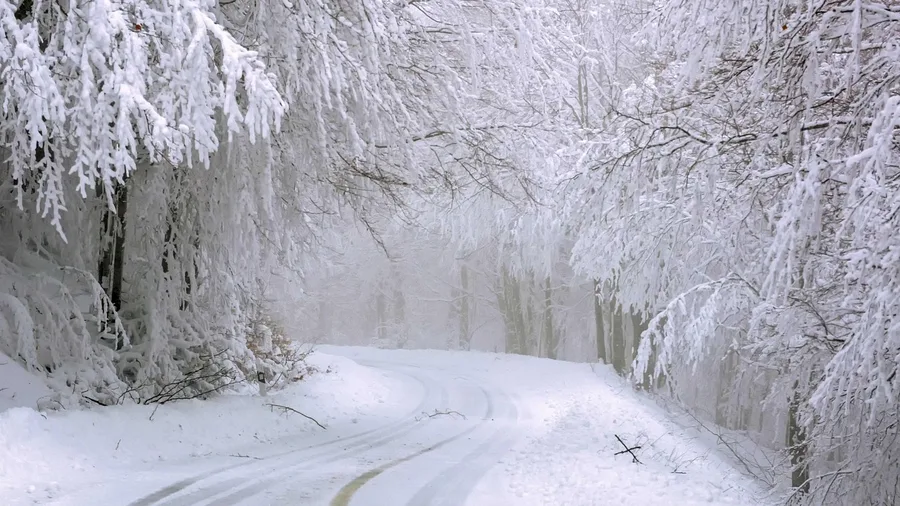
Forty-five minutes is what separates 20 acres in the Yaak from a gallon of diesel and a loaf of bread, and that is the summer figure. Count the same round trip in January, on a road that may be plowed by nobody you have met, and the land at about $2,500 an acre — near $50,000 for the parcel — starts to read as the cheap part of the deal. What photographs leave out is the time and fuel the distance takes from every week of your life out here. A pantry run that used to be twenty minutes becomes an afternoon, and that is before the snow.
Wildlife is part of what you are buying, and the honest likelihood is high: moose in the willows along the road, deer browsing the clearing, the chance of a bear at the compost. Keep your distance and give animals a route out — a cow moose with a calf is not a photo opportunity. The winter sets the rest of the budget. Minus 30F design temperature and a 90-day growing season mean a greenhouse and stored food from day one, not after the first failed tomato. The well is the unknown, 150 to 300 feet in the example, and the Lincoln County sanitarian is the office for well and septic approvals. Wildfire belongs in the same folder: know the evacuation route, clear defensible space around the structure, and read the county's own preparedness guidance before you buy, not in the first smoky August.
💡 Tip: Ask the county sanitarian for well logs within a mile of the parcel — that is the closest thing to a guarantee you will get.
Lincoln County, Montana — Confirm Before You Offer
📐 Parcel size in the example
20 acres, bought outright
🏚️ First structure
Travel trailer or 400 sq ft cabin
🔋 Power setup
600-1,200 Ah battery, 3,000W inverter, generator
📞 Office to call
Lincoln County sanitarian
📄 Document to request
Well and septic approvals for the parcel number
One rule for all ten places
No minimum acreage, setback, permit fee or water right is stated here. Confirm the parcel number with the county before any money moves.
9. Matanuska-Susitna Borough, Alaska: Road-Access Homesteads
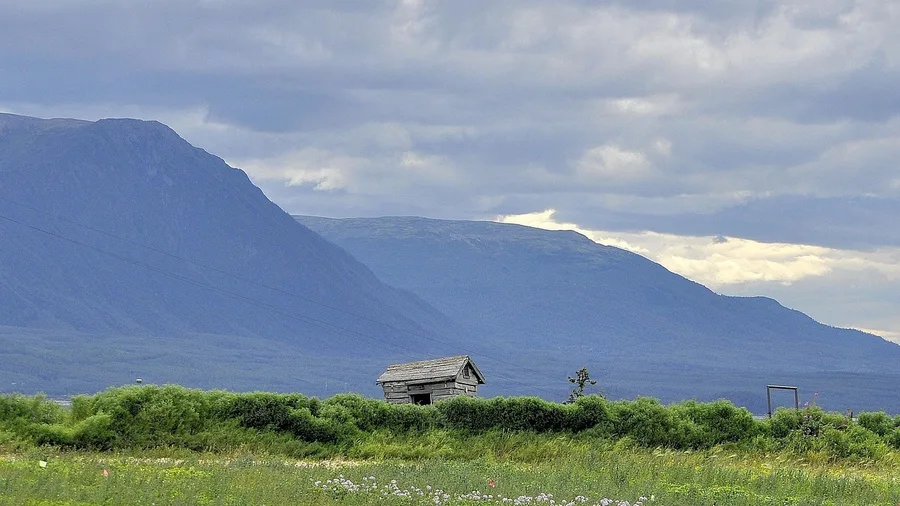
You stand in the gravel yard at ten at night in June and the sun is still up, throwing a low gold light across the birch and the ridgeline, and you understand why people put up with the rest of the year. The rest of the year is the price, and it does not fit on the listing sheet. A 5-acre parcel with road access near Wasilla runs about $6,500 an acre — roughly $32,500 — the steepest number anywhere on this list, and you are paying for a combination that is genuinely rare elsewhere: a maintained road, a real growing season, and space for off-grid solar all on the same lot.
The Matanuska-Susitna Borough planning department is the office for zoning, access, and the road standard that applies to your parcel, and that road standard is where the second budget lives. Hauling building materials the final miles — lumber, a woodstove, the battery bank — is a line item that decides whether the plan closes at all, so price it before you fall for the view. On power, plan the usual: 600 to 1,200 amp-hours of battery, a 3,000-watt inverter, and a generator for the shortest month.
The garden bends the calendar. Ninety days of growing season, but 19 hours of June light, so the harvest arrives in one rush instead of a long summer of picking — which makes storage capacity as important as the beds themselves. To understand how Alaskans live through the dark months around that garden, the practical details of daily life are worth reading before you commit. Winter cold is the other number. The statewide tables put the design temperature at minus 30F and the Wasilla side at minus 25F, and you size the foundation and the fuel supply to the colder figure every time. Worth the cost? If a road you do not have to plow yourself matters to you more than cheap acreage, yes — the crowd here is other people who already worked that out.
📋 From Listing to Legal: The Order to Do This In
Pull the parcel number
Get the exact lot and parcel number from the listing or county GIS before any call.
Call the planning office
Ask for zoning, subdivision and setback rules for that parcel number.
Ask the water office
Request the decree, well log or water-right record that governs the parcel.
Ask the health office
Get the wastewater and septic rules, plus the soil survey for the lot.
Pull the recorded access
Confirm the easement or right-of-way at the county recorder.
Price the winter
Size foundation, fuel and insulation to the winter design temperature.
Then make the offer
Only after the four documents come back clean on that parcel number.
10. Essex County, Vermont: Northeast Kingdom Woodlots
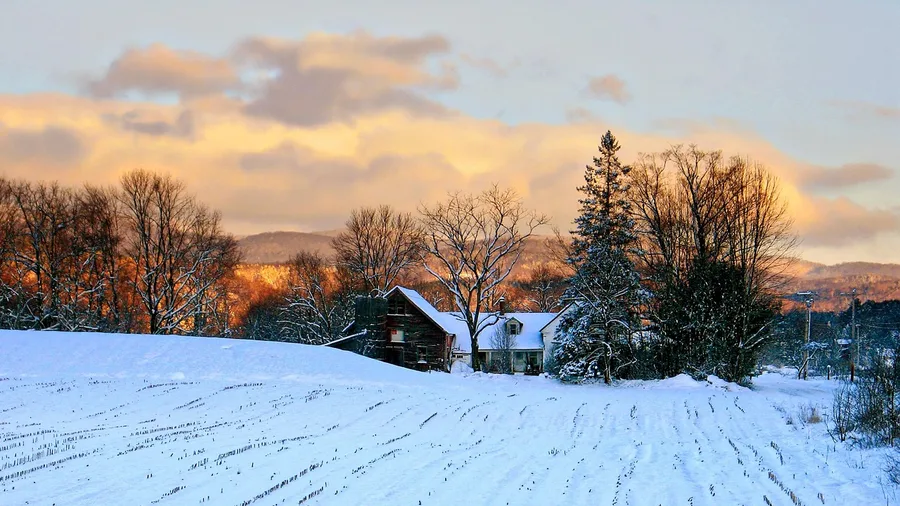
Twenty-five acres runs around $40,000 here – $1,600 an acre, a quarter of what a road-served Alaska parcel asks – and that gap is your budget moving off the listing sheet and into the ground. The money you didn't spend on acreage is the money the foundation eats. Essex County's winter design temperature sits at minus 15F, milder than deep Alaska or Montana but still cold enough that footings have to reach below the frost line, and that excavation and concrete is the line item that decides whether the whole plan closes.
The authority for what you can build is the town, not the county – Guildhall, Canaan or Concord depending on which lot you're eyeing – and the ask is exact: the zoning bylaws for that town plus the frontage and access rules that apply to the parcel. Frontage matters more than city readers expect; a woodlot with no road frontage needs a deeded right-of-way, and getting that in writing is cheaper than getting it in court. Lancaster, New Hampshire is 20 minutes off for a grocery store and a hospital, the closest the whole Northeast Kingdom gets to convenience without losing the trees.
Water is likely a drilled well, 200 to 400 feet down depending on where the ledge sits – budget for the deeper end and be pleasantly surprised if you hit water shallow. The wastewater permit comes from the Vermont Agency of Natural Resources, so that's a second call on top of the town office. A 120-day growing season means a garden that feeds you June through September, not year-round; the rest of the year runs on stored food and firewood. Trees, snow, a hospital within reach – that's the Vermont deal, and it's worth what it costs.
💡 Tip: Vermont's town offices are small and answer the phone; ask for the zoning administrator by name and get the frontage rule for the lot.
Frequently Asked Questions
Can I legally live off-grid in a trailer on land I own?
Often yes, but only if the county's zoning and wastewater rules allow it on that specific parcel. Call the planning office with the parcel number and ask for the zoning, subdivision and septic rules before you buy. Some counties require a permitted wastewater system even for a trailer.
How much does an off-grid parcel actually cost?
In the examples here, land runs from about $600 an acre in Mohave County, Arizona to about $6,500 an acre in Matanuska-Susitna Borough, Alaska. A 5- to 40-acre parcel can be bought outright for roughly $7,500 to $50,000. The land is the cheap part; the well, the access road and the winter-ready build are the real budget lines.
What is the first thing to check before buying?
Water. Ask the state water office or county sanitarian for the decree, well log or water-right record that governs the parcel. A cheap parcel with no reliable water is not a bargain; it is a problem you now own.
Do I need a well, or can I haul water?
Both work, but they cost differently. Hauling is viable in warm desert country like Brewster County, Texas, if you size catchment and storage against the growing season. In cold country a drilled well at 150 to 400 feet is the usual answer, and the driller's log from a neighbouring parcel is the closest thing to a prediction you will get.
How do I handle power off-grid?
The examples here run on solar with 600 to 1,200 amp-hours of battery, a 3,000-watt inverter, and a generator for the shortest month. In northern places like Montana and Alaska, size the array for the darkest weeks, not the sunniest ones, and carry fuel for the generator.
Is off-grid living legal everywhere in the US?
No. Some counties require grid connection, minimum square footage, or permitted wastewater even on large rural parcels. That is why every entry here names the office to call: the rules are local, they change, and they apply to the parcel number rather than the county in general.
Pick the Water and the Winter First, Then the Price
Pick the parcel by the water you can actually secure and the winter you can actually stand, not by the number on the listing sheet. The $600 Mohave ground and the $6,500 Matanuska-Susitna ground are not far apart at all once both are priced in full.
Those 40 acres at $24,000 were never $24,000. There was no recorded easement, so there was no legal way in, and the land could not be reached let alone built on.
Call the named office and ask for the zoning, subdivision and water rules on that specific parcel number before you make an offer, on every one of the ten, in that order.
The land is the down payment. The research is the purchase.
Start with the water question
Pick one parcel from the table and call its named office today. Ask for the zoning, subdivision and water rules on that parcel number before you offer a dollar.