
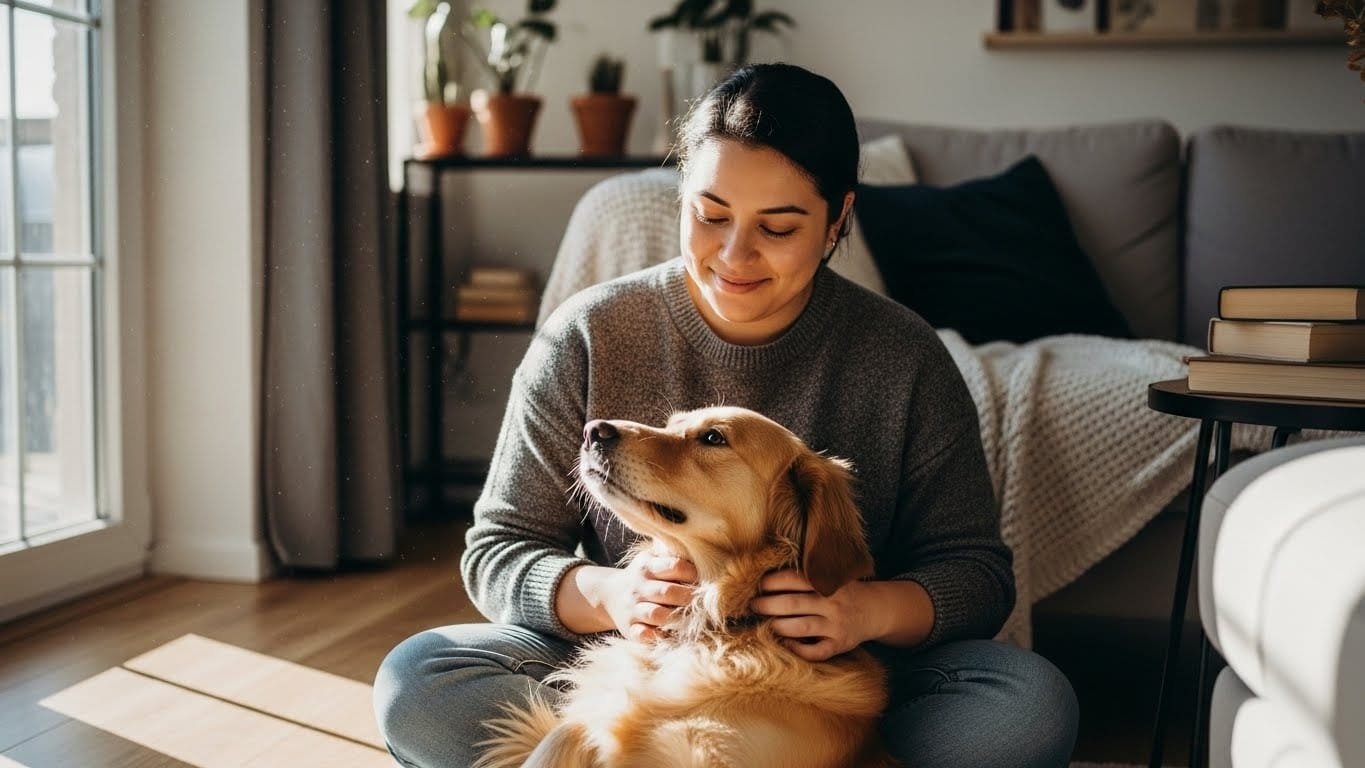
Some changes arrive quietly and still reshape everything. The day a new dog steps into a home is one of those moments. The space feels fuller. Daily routines begin to shift. Attention moves from habits to presence. This transition does not announce itself loudly, yet it leaves a lasting mark.
Welcoming a dog is not about ownership. It is about responsibility and connection built through ordinary actions. The early days set the tone for trust, comfort, and belonging. Every pause, glance, and adjustment contributes to the story that begins forming the moment the door opens.
How a New Dog Changes the Feeling of Home
A home reacts before people do. When a new dog arrives, rooms gain movement and purpose. Floors are no longer empty. Corners become resting places. Even silence changes its texture.
Dogs sense emotional environments quickly. Calm surroundings help them relax and observe. According to guidance shared by animal welfare organizations like the American Kennel Club and the ASPCA, early stability supports confidence and long-term behavior. A predictable space allows a dog to settle without fear.
Families also adapt in subtle ways. Voices soften. Time slows. Awareness grows. These changes signal the beginning of shared life rather than a temporary adjustment.

First Days With a New Dog Set the Foundation
The early days carry more weight than most people realize. A new dog learns the emotional rules of a home before learning commands. Tone, consistency, and patience matter more than instruction.
Sitting nearby without pressure builds safety. Allowing exploration without interruption builds confidence. These actions communicate respect. Veterinarians and behavior specialists often stress that reduced stress during early exposure leads to better long term outcomes.
Trust grows when interaction feels optional, not forced.

Building Trust Through Routine and Space
Routine creates clarity. When a new dog understands where to rest, eat, and move freely, anxiety fades. Clear structure removes confusion and allows curiosity to thrive.
Bringing a new dog home introduces excitement, but it also introduces sensitivity. Dogs absorb their surroundings quickly, which makes the home environment a powerful influence during early adjustment. Homes designed with simplicity support this process. Defined spaces, soft textures, and easy pathways reduce overstimulation and confusion.
Interior designers who work with pet-friendly homes often recommend minimizing clutter during the adjustment period. Clear layouts help dogs understand boundaries while allowing them to move confidently. Calm spaces encourage rest, while predictable areas for feeding and play establish trust.
This thoughtful setup benefits both the dog and the household. When a home feels stable, emotional connection grows faster. Over time, these early design choices support a smoother transition into everyday routines and long-term bonding. To understand how these routines shape emotional connection over time, read more about life with a dog and how consistency builds comfort.
Trust does not require perfection. It requires predictability.

Celebrating the Arrival Without Overwhelm
Excitement often surrounds the arrival of a new dog, but balance matters. Too many people, sounds, or interactions can overwhelm rather than comfort. Dogs process novelty deeply.
Quiet rituals work better than grand welcomes. A calm walk. A shared rest period. A gentle introduction to the home. These moments anchor emotional safety and create meaningful memories.
Celebration does not need noise to feel significant.

Growth Happens in Small, Repeated Moments
As days pass, communication improves without effort. A new dog begins to anticipate routines and respond to tone. Families learn signals without instruction. This mutual understanding forms naturally.
Challenges still appear, but patience transforms them into progress. Training becomes smoother when trust exists. Play becomes confident. Rest becomes deeper.
Canine behavior research consistently shows that relationship quality influences adaptability more than rigid control.
Why This Transition Stays With Families
Welcoming a new dog becomes a reference point in family memory. Stories return to the first night, the first sign of comfort, the first shared quiet moment. These experiences anchor future life events.
This is why visual content around this transition resonates strongly online. It reflects growth, care, and connection. It speaks to a universal desire for belonging.
A dog does not simply enter a home. It changes how the home feels.
A Home Rewritten by Presence
Over time, the presence of a new dog stops feeling like change and starts feeling like completion. The house settles into a new rhythm shaped by companionship.
This journey does not demand perfection. It asks for attention, patience, and warmth. When those exist, trust follows.