
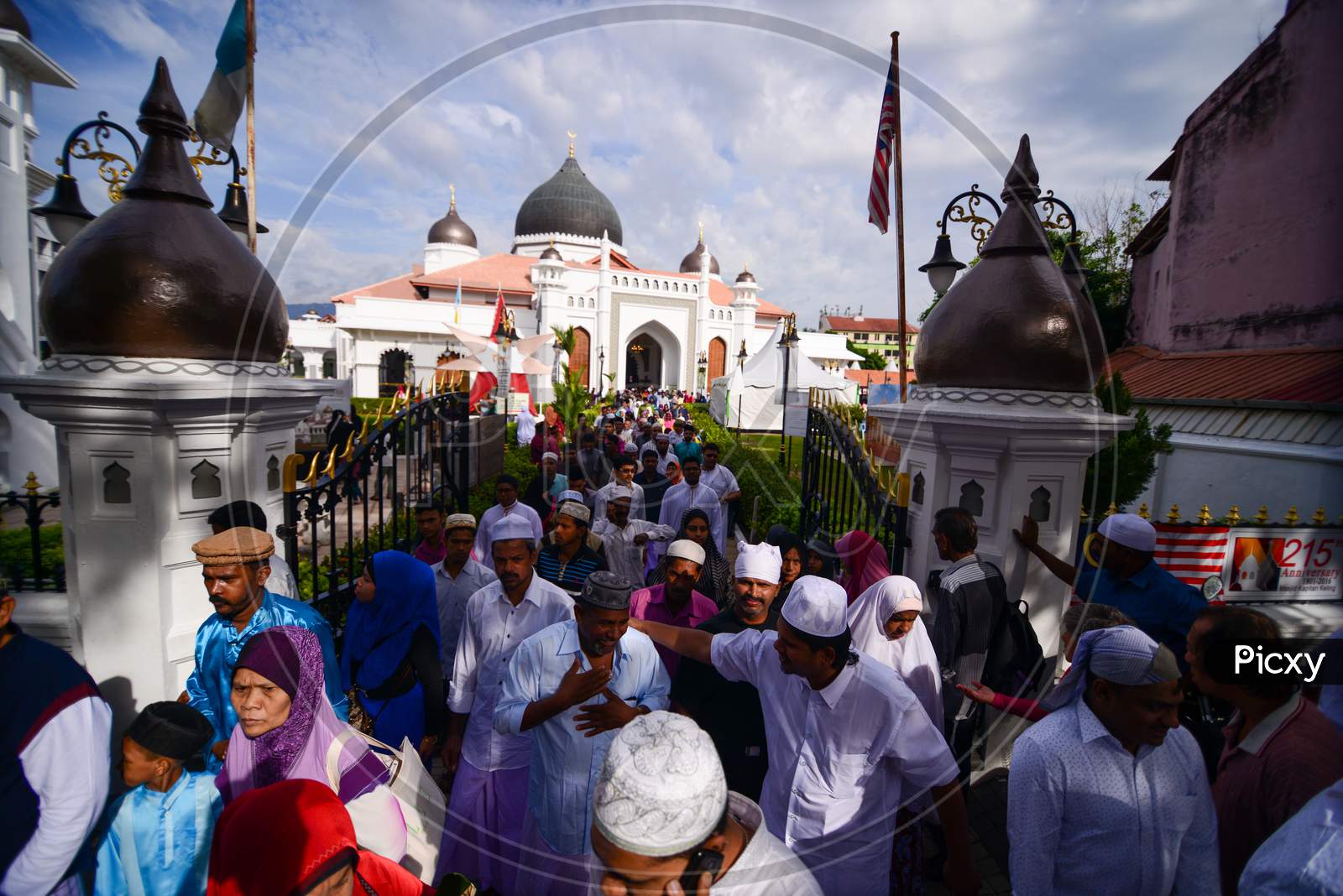
Every Friday feels different in a Muslim home. The morning begins earlier. Clothes look cleaner. Hearts feel softer. Markets slow down near noon, and mosques begin to fill. This weekly rhythm reflects beautiful Sunnah Practices taught by Prophet Muhammad.
Friday, known as Jummah, holds deep spiritual value in Islam. The Quran mentions it in Surah Al Jumuah, calling believers to leave trade and gather for remembrance of Allah. Across cultures and countries, Muslims prepare for this day with intention, dignity, and gratitude.
Jummah does not resemble a festival. It carries peace, reflection, and renewal. Families focus on worship, community connection, and moral growth.
Before applying these weekly traditions, it helps to understand the deeper Importance of Jummah in Islam and why Friday holds such a special place in the Quran and Sunnah. Learning its history, rewards, and spiritual meaning adds greater awareness to every act of worship.
Preparing for Jummah with Sunnah Practices



4
Preparation begins at home. Islam teaches cleanliness and dignity, especially on Friday. One of the most emphasized Sunnah Practices includes performing ghusl, a full ritual bath before attending prayer.
Muslims wear clean, modest clothing. Many choose white garments because Prophet Muhammad loved simple and pure dress. Applying attar, a natural perfume, adds freshness and respect for the gathering.
These actions may appear small, yet they shape mindset. Clean clothes and a calm morning routine prepare both body and heart for worship.
Arriving Early and Listening to the Khutbah

4
One of the important Sunnah Practices includes arriving early at the mosque. A hadith recorded in Sahih Bukhari describes angels standing at the doors, recording names of those who come first. This teaching encourages punctuality and sincerity.
The Role of the Khutbah in Friday Celebration
The khutbah, or sermon, stands at the center of Jummah prayer. It offers reminders about faith, family life, charity, and honesty. Imams discuss moral conduct, social justice, and personal accountability.
Listening attentively forms part of the Sunnah Practices of Friday. Talking during the sermon reduces reward. Silence shows respect and focus.
Reciting Surah Al Kahf and Sending Salawat


4
Friday carries special acts of remembrance. Many scholars encourage reciting Surah Al Kahf on this day. A hadith states that whoever reads it on Friday receives light between two Fridays.
Sending blessings upon Prophet Muhammad also increases on this day. These Sunnah Practices connect believers with prophetic tradition and spiritual growth.
Recitation creates calm. It slows down the rush of the week. It reminds Muslims about accountability, gratitude, and patience.
Dressing Well as Part of Sunnah Practices


4
Islam encourages modest fashion, especially on Friday. Wearing neat clothing reflects respect for prayer and community. This tradition links worship and presentation in a balanced way.
Fashion in Islam focuses on modesty, cleanliness, and simplicity. Many cultures add local style through embroidery, turbans, abayas, or tailored thobes. These expressions stay within the boundaries of modest dress.
Such Sunnah Practices show that faith influences daily lifestyle, not just ritual prayer.
Charity and Community Connection


Friday strengthens social bonds. After prayer, people greet one another. They ask about family and health. They share food.
Giving charity on Friday increases reward. Scholars mention that good deeds multiply on blessed days. These Sunnah Practices build empathy and unity.
Modern mosques often organize donation drives, educational programs, and youth talks after prayer. This tradition keeps the community active and supportive.
Family Traditions That Reflect Sunnah Practices



4
Many families treat Friday as a weekly spiritual reset. After returning from mosque, they gather for lunch. They discuss the khutbah message. Parents teach children about prayer etiquette.
These habits grow naturally from Sunnah Practices. They strengthen Islamic identity inside the home.
Children remember how Friday felt. The smell of food. The calm voice of their father after prayer. The sense of belonging.
The Special Hour of Acceptance on Friday


4
Islamic tradition mentions a special hour on Friday when duas receive acceptance. Scholars differ about its exact timing, yet many believe it falls in the last part of the day before sunset.
Believers use this time for sincere supplication. They ask for forgiveness, guidance, and peace. These Sunnah Practices turn Friday into a complete spiritual journey from morning preparation to evening reflection.
Among the most beautiful Sunnah acts on Friday is increasing supplication during the special hour before sunset. If you are looking for authentic and meaningful Powerful Duas for blessings, rizq, and forgiveness, explore our detailed Friday dua guide that includes Quranic supplications and prophetic duas for acceptance.
Why Jummah Feels Like a Weekly Celebration


4
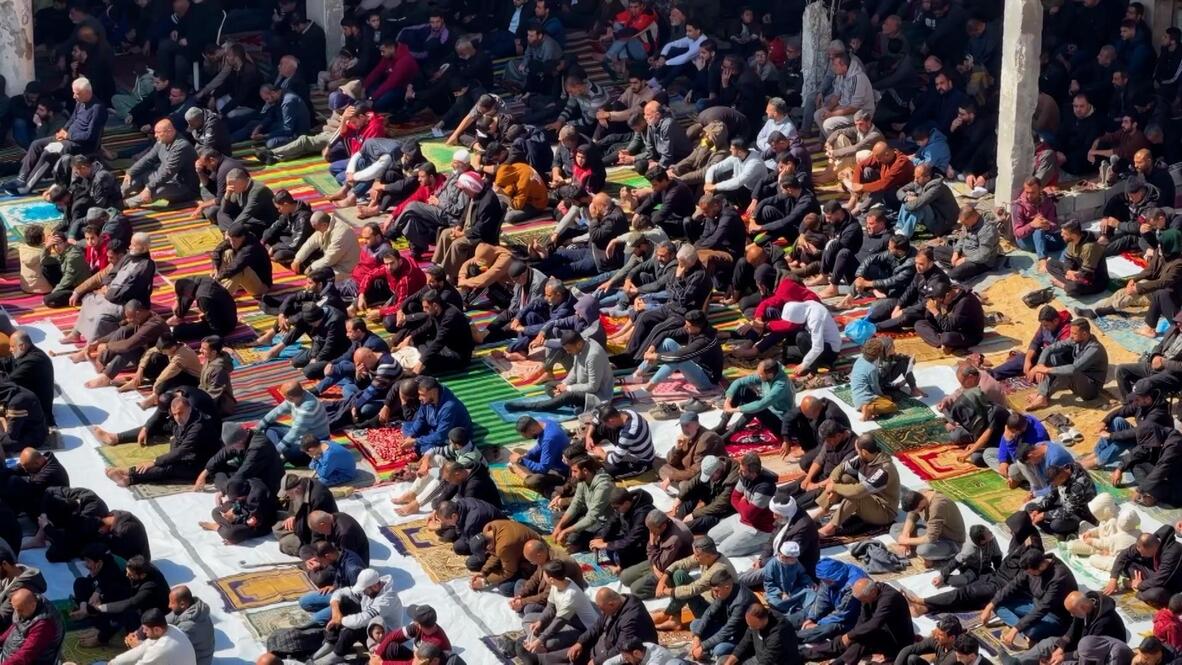
Jummah does not involve decorations or public festivals. Its celebration lives in worship and unity.
The Prophet described Friday as the best day on which the sun rises. On this day, Allah created Adam. On this day, the Day of Judgment will occur. These teachings raise awareness about accountability and purpose.
Through Sunnah Practices, Muslims transform an ordinary weekday into a sacred gathering filled with remembrance and hope.
Final Reflection on Sunnah Practices and Friday Life
Friday stands as a weekly gift. It interrupts routine and invites renewal.
Sunnah Practices shape the way Muslims prepare, dress, pray, give charity, and connect with one another. These traditions come from authentic hadith collections such as Sahih Bukhari and Sahih Muslim, preserved carefully by scholars for centuries.
When believers honor these practices, they strengthen faith and community at the same time. Jummah becomes more than a prayer. It becomes a rhythm of life.
Each week, Muslims return to the mosque. They listen. They reflect. They renew intention. Through these meaningful acts, Friday continues to shine as a day of mercy, unity, and spiritual growth.