
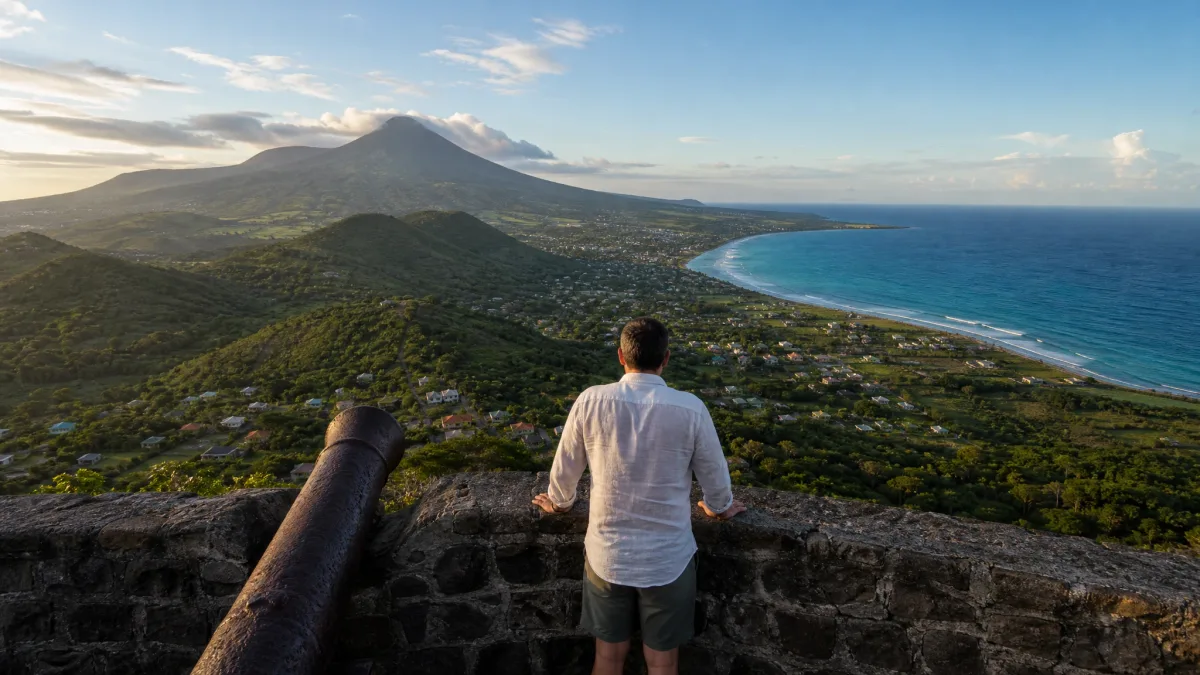
The mistake most buyers make is wiring the $100,000 and assuming the passport arrives at that price. It does not. Fees, due diligence and agent costs add 15–25% on top, and the headline figure buys you a donation receipt, not a passport. Judge every one of these ten routes on the true all-in cost, the waiting time, and what the passport actually opens. Nothing else.
Budget $115,000–$125,000 for a $100,000 program, and plan your life around two-to-six months for the direct routes or three-to-five years for the residency ones. The direct programs need no physical stay, with one exception: Antigua wants five days in five years. The residency routes want six-plus months a year. Passport reach runs from about 100 destinations (Ecuador) to 155 (St. Kitts), and the Caribbean group clusters at 140–155.
Here is what you will actually do: verify the current minimum with each program office, compare the visa-free list rather than the brochure, add the dependent fees per head, check the renewal cost before you sign, and read the due diligence fine print. These ten are illustrative figures for one example buyer, current at the time of writing, and they change without notice.
What the Prose Above Doesn't Tell You
Get it in writing
Ask the program office to email the current minimum and the fee schedule, dated. Screenshot-and-PDF anything an agent sends you.
Where the 15–25% goes
Due diligence runs a few thousand per adult; government processing and passport issuance are separate; agent commission typically 5–10%.
Antigua is the outlier
Its headline covers a family of four. Everywhere else the price is per main applicant, with each dependent added on top.
Reach is not access
Compare the visa-free list line by line. Some passports open 150 countries but require a visa for the one you actually need.
Ask when the second bill lands
Some passports renew at five years, others at ten. Confirm the renewal amount at signing, not at expiry.
1. Dominica: The Benchmark Direct Passport
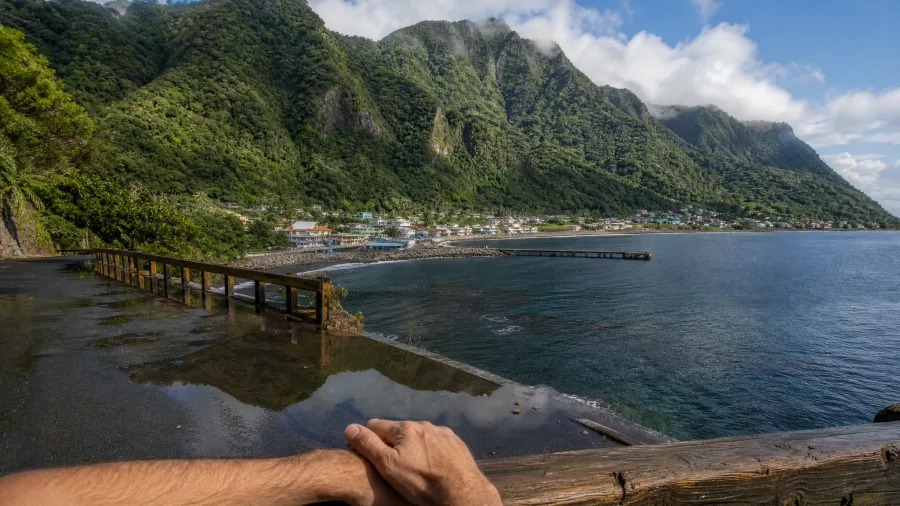
Dominica is the straightest answer in the Caribbean if you want a second passport without ever moving there. The advertised government contribution sits around $100,000 for a single applicant. Due diligence, processing and passport fees push the real bill to roughly $120,000, which is the number to hold in your head when you start comparing.
Nothing about it asks you to show up. There is no stay before the certificate and none after it, so you can file from a kitchen table in Ohio and collect the passport by courier. Your passport then carries you to about 140 destinations. Five to six months separate a clean submission from the certificate in your hand, which is neither the fastest nor the slowest on this list.
Where residents and repeat buyers part company with the brochure is in what happens next: they treat the $100,000 as an entry ticket, not a total.
💡 Tip: Get the contribution quoted in writing by the government unit, then compare the same figure against every other program.
| Country | Route | Advertised entry point | Time to passport | Stay required | Passport reach |
|---|---|---|---|---|---|
| Dominica | Direct donation | ~$100,000 | 5–6 months | None | ~140 |
| St. Lucia | Direct donation | ~$100,000 | 4–5 months | None | Caribbean cluster |
| Antigua | Direct donation (family) | ~$100,000 | ~6 months | 5 days in 5 years | ~150 |
| St. Kitts | Sustainable Growth Fund | ~$95,000–$100,000 | 4–6 months | None | ~155 |
| Grenada | Direct donation | ~$95,000–$100,000 | 4–6 months | None | ~145 |
| Vanuatu | Direct donation | ~$95,000–$130,000 | 1–3 months | None | Weakened (EU suspended) |
| Samoa | Direct donation | ~$90,000–$100,000 | 3–6 months | None | ~120 |
| Paraguay | Residency to citizenship | ~$5,000 | 3 years + processing | 6+ months/year | ~140 |
| Ecuador | Residency to citizenship | ~$5,000–$10,000 | 3 years + processing | 6+ months/year | ~100 |
| Panama | Residency to citizenship | ~$80,000–$100,000 | 5 years | 6+ months/year | ~140 |
2. St. Lucia: The Speed Option With a Catch
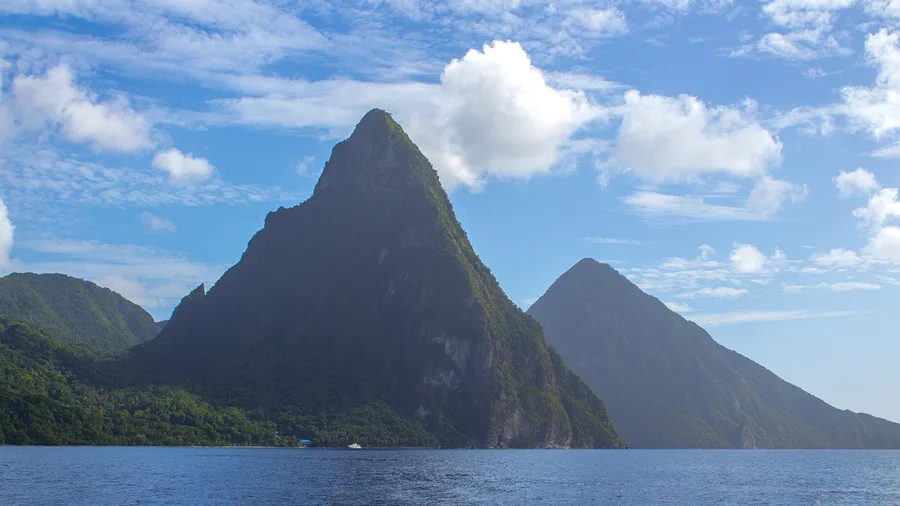
$7,500 to $10,000 per adult: that is what due diligence and processing add on top of a $100,000 contribution, before anybody quotes you a passport or an agent fee. On the entry price alone, St. Lucia matches the no-stay Caribbean benchmark instead of undercutting it.
The money is not where the difference lives. Four to five months from submission to certificate is routinely the fastest timeline in the region, and for a buyer whose reason for doing this at all is a date they cannot move, that gap is worth more than the fee stack. The catch is the document itself. The passport runs five years before renewal, and the renewal fee lands again on your desk while a longer-validity passport is still sitting quietly in a drawer somewhere.
On reach it belongs to the same Caribbean direct-program cluster as its neighbors, roughly 140 to 155 destinations, and the exact visa-free list changes often enough that you check the program's own current list rather than an agent's PDF. If speed is the thing you are buying, this is the honest trade: a shorter document that arrives sooner.
The $100,000 Test, in Five Numbers
What the headline figure actually covers and what it does not
3. Antigua: The Family-Bundle Program
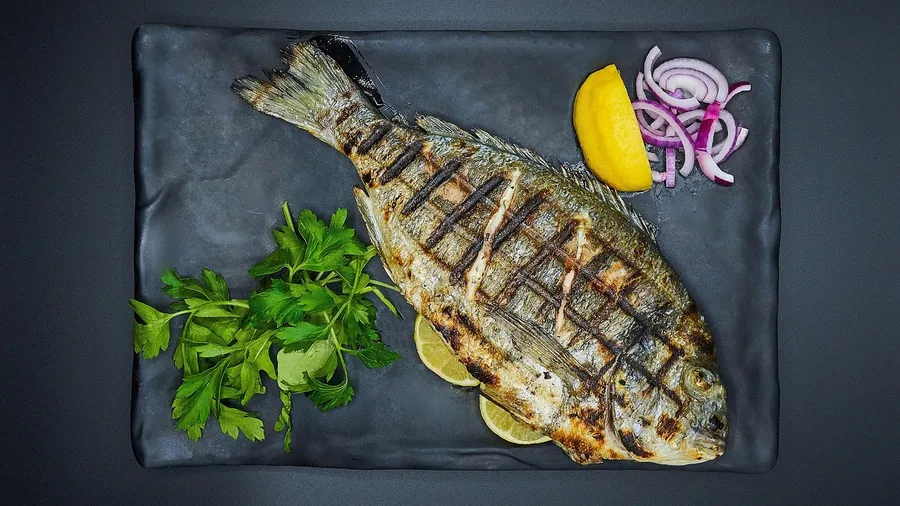
The first thing that hits you on the drive in from the airport is the dry, salt-scoured heat coming off the water, and the smell of grilled fish threading out of the roadside stalls at lunchtime. Two hours later you can be sitting over a plate of national dish, fungee and pepperpot, a cornmeal-and-okra mash with a pot of salted meat and greens, for the price of a sandwich back home. That is the island you are putting five days of your life into.
And it really is five days. Antigua is the one program on this list with a physical-presence rule: five days inside the first five years, which can be a long weekend, not a relocation. For a family it is the cheapest route on the board by a wide margin. The advertised $100,000 contribution covers up to four people, and each extra dependent adds a set fee. The usual add-ons apply (a spouse, children under 25 to 30, parents over 55 to 65), each for an extra charge.
The timeline runs about six months, and the passport reaches roughly 150 destinations, which puts it above the benchmark.
Run the arithmetic per person and the argument makes itself. Four passports for a government contribution a solo applicant elsewhere pays alone, one application, one bill, one set of biometrics, is a different product from a discounted single passport. Just budget the fee stack on top of the contribution, as with every program here, and confirm the dependent age bands with the program office before you promise a grown child anything.
This is the entry for the family of four or five. Solo, you are paying for places at the table that nobody occupies.
💡 Tip: Book the five days early in year one, so a delayed flight or a closed season never becomes a compliance problem.
⚠️ COMMON MISTAKE
Do not treat any discount as permanent
Limited-time contributions get withdrawn on a set date or without warning. If you are moving on a discounted price, submit the application and pay before the stated deadline, not after.
4. St. Kitts: The Premium Passport Discount
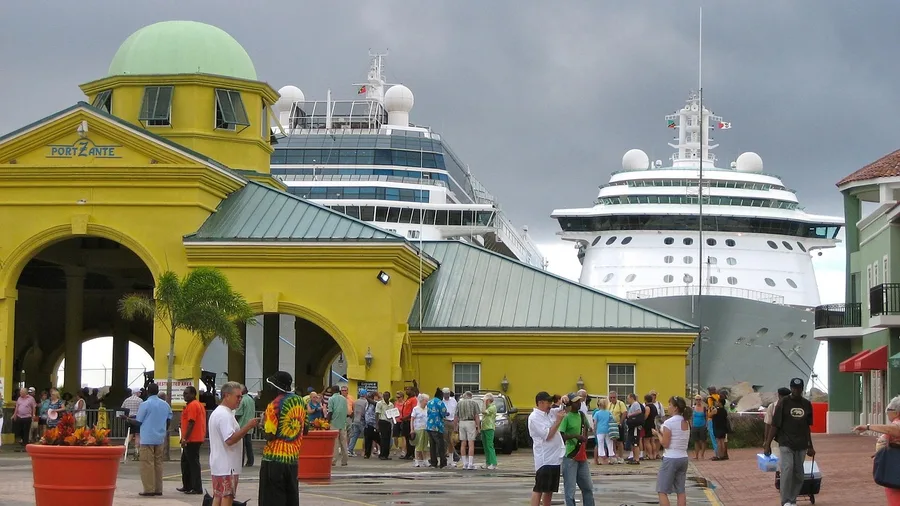
A family of four gets the most distance out of the advertised line; a solo buyer near the same figure wants the passport that opens the most doors, and St. Kitts has long charged a premium for exactly that. The oldest citizenship program in the world normally costs real money: the standard real-estate route runs about $250,000. A limited-time Sustainable Growth Fund contribution is now advertised at roughly $95,000 to $100,000, close to a couple hundred dollars of the $100,000 headline for a single applicant — which is the only reason it belongs on this list at all.
The window is the watch item. Discounts like this one can close without notice, and when they do the price snaps back to the full amount, so the hour that matters is now rather than a year from now; verification with the official program office should happen this month, not after a house sale. The payoff is the strongest passport in the Caribbean at about 155 destinations, including the UK and Schengen, with no physical stay required and a timeline inside four to six months. A buyer who needs the premium passport and can move quickly gets the best passport-per-dollar in the group; anyone who waits risks paying the standard price for the same book.
Direct Donation vs Residency Route
Direct donation
- Passport in 1–6 months
- No physical stay, except Antigua's five days
- One payment, one application, no renewal of status
- Reach 120–155 destinations
- Real bill runs 15–25% over the headline
Residency to citizenship
- Passport in 3–5 years
- Six-plus months in-country every year
- Entry cost as low as $5,000
- Stronger end passport in Panama's case
- Your life, not just your money, has to move
5. Grenada: The US Treaty Passport
Before you compare travel reach, know what you are actually buying here: a business visa route, not a passport that travels further. Grenada is the only Caribbean citizenship-by-investment country that holds a treaty with the United States for E-2 investor visas, and that treaty gives you a renewable US business visa you can use to run a company stateside. It does not give you US citizenship, and it does not shorten a green card queue. The E-2 is a status you renew, not a path that ends in a US passport.
That trade has held since the two countries signed the treaty arrangement decades ago, and it is why Grenada's application volume looks different from its neighbors: the buyer here is often a founder pricing a US foothold, not a traveler counting visa-free stamps. The advertised contribution is around $95,000 to $100,000, the timeline is four to six months, and there is no stay requirement. The passport that comes with it reaches about 145 destinations, with China visa-free. If your plan involves a US business and a second passport in one move, this is the entry to price first.
Where the Money Actually Goes
The share of a $100,000 donation that behaves differently
Illustrative split for a single applicant on a $100,000 program; the real proportions vary by country.
6. Vanuatu: The Fastest Passport
Compared with the treaty route, this one asks less of your patience and less of your travel reach: there is no wait for residency, no physical stay, and no long application file. Vanuatu runs the fastest timeline on this list: one to three months from submission to passport. The advertised contribution is around $95,000 to $130,000 depending on the applicant and the route. For a buyer with a deadline, that speed is the product.
It also costs less in effort than most of the routes here. You do not book flights, you do not rent an apartment, and you do not plan three years of your life around a residency calendar. The application is paperwork and money, and then you wait, and the wait is short.
What you give up is Europe. The EU suspended Vanuatu's visa-free access, so a Vanuatu passport does not get you into the Schengen area without a visa. You apply for a Schengen visa the same way any other third-country national does, with an appointment, a fee, and a wait that can eat the speed advantage if Europe matters to your plans.
The fit is narrow and clear: a buyer who needs a passport urgently and does not need visa-free Europe. If your trips are business, family, or Asia-Pacific, the suspension costs you little. If your life runs through Paris and Frankfurt, this is not the shortcut it looks like.
The speed is real and the price fits the budget. Confirm both with the official program office before you commit to anything, because a timeline this short is also a timeline with no room for a rejected application.
7. Samoa: The Low-Profile Pacific Option
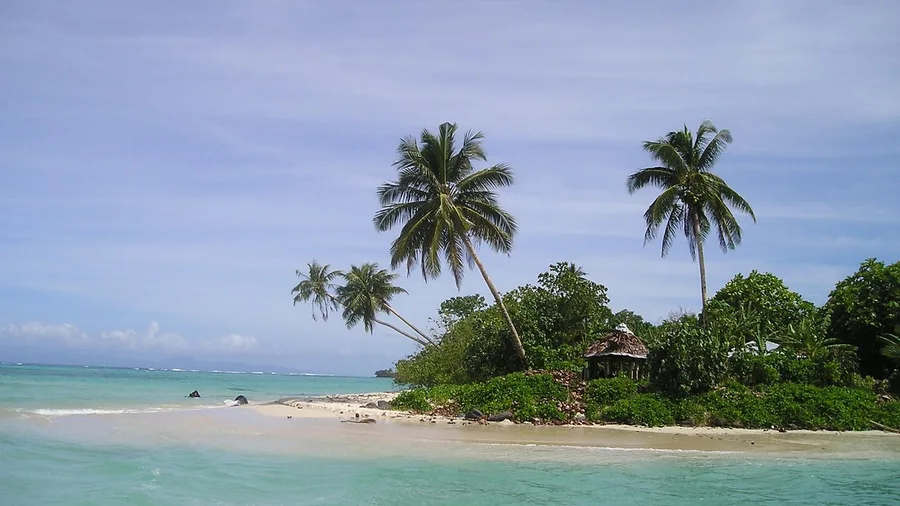
If you want the least crowded program on this list and you can live without visa-free Europe, Samoa is your pick. The advertised government contribution runs about $90,000 to $100,000, there is no physical stay required, and approval typically lands somewhere in the three-to-six-month range.
The trade-off is real: the passport reaches roughly 120 destinations, the weakest reach of any direct-citizenship program here, and the number of authorized agents is small enough that extra due diligence on any middleman is essential. It suits a buyer who values a quiet, low-profile program over a strong European travel passport, and genuinely does not suit anyone whose main reason for a second passport is easy entry to the UK or Schengen.
Pacific Programs at a Glance
💵 Vanuatu entry
~$95k–$130k
⏱️ Vanuatu speed
1–3 months
🇪🇺 Vanuatu EU access
Suspended
💵 Samoa entry
~$90k–$100k
🛂 Samoa reach
~120 destinations
The trade
Both Pacific routes are fast or cheap, and neither gives you the European access the Caribbean group does.
8. Paraguay: The Cheapest Residency Route

The wooden bench outside the migration office in Asuncion is too narrow to nap on, and by the third month of a residency year you will know exactly how it feels under a folder of stamped papers. There is a price to getting in this cheap, and it is paid in patience rather than cash.
Now compare that paper cost with the numbers you have seen for direct passports, and the gap is almost hard to believe: residency here is advertised at around $5,000, with legal work and notarized translations on top. Add a flight or two and the first filing still lands far under $100,000. That low bar is real, but it buys a temporary card and a years-long countdown, not a passport. You hold permanent residency first, and a citizenship application only opens after three years of genuine residence – meaning six or more months of every one of those years actually spent in the country. Those months are not a formality. Your lease, your utility bills, your entry and exit stamps and your local tax footprint all become part of the file.
The reward at the far end is a travel document that opens roughly 140 countries, including the Schengen area and most of Latin America, so you give up little in mobility for the savings. It simply suits a buyer with a flexible life and a tolerance for a slow clock – someone who wants the lowest entry price on the market and can afford to spend years, not dollars, to reach the finish line. All figures are illustrative; confirm current visa conditions with Paraguayan immigration before you build a plan around them.
9. Ecuador: The Retiree's Low-Cost Route
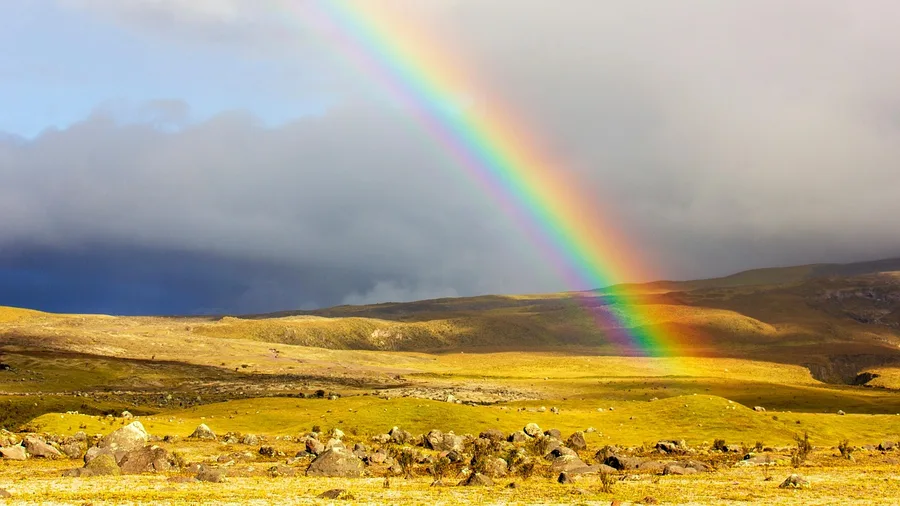
Ecuador sets out to answer that, and its residency visa is advertised at around $5,000 to $10,000, with a pensioner route that asks you to show steady monthly income arriving from abroad. Like Paraguay's, it is paid for in time: three years of residence, at least six months of each year on Ecuadorian soil, before a citizenship application opens.
The catch is what the passport actually carries – roughly 100 destinations, the narrowest reach on this list. So the real spend is not the visa fee but the three years of your life committed to the country. If your goal is a cheap, warm place to retire and a second passport is a bonus, this is strong value. If the document must open Europe or the US on demand, that money buys you less than you think.
Four Mistakes That Cost Real Money
10. Panama: The Five-Year Residency Route
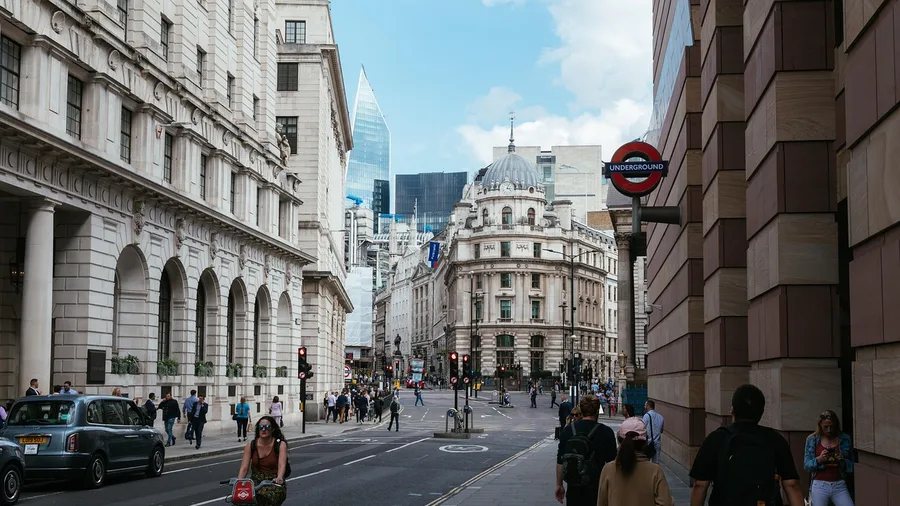
You wire the deposit in Panama City, the bank stamps the paperwork, and the five-year clock starts before you have unpacked a single box. What you bought at the $80,000 to $100,000 end of this list is a qualified real-estate investment or an approved deposit, not a passport, and the passport waits until year five with you standing on Panamanian soil most of each of those years.
The route earns its place because of where it ends, not where it starts. After five years of residency, with the physical-presence rule keeping you in-country six-plus months annually under the pattern these residency routes follow, you apply for citizenship and the passport that comes out reaches roughly 140 destinations, including the EU and the UK. That is a real step up from the weakest route in this group, the kind of second passport you can actually board a flight on in Europe. The catch is the price of admission: five years of tax and life in Panama, not a wire transfer and a wait.
Best fit a buyer who can genuinely move, or who already splits the year between two places and can shift the split toward Panama. If you cannot spend more than half of each of the next five years there, score this one lower and read the cheaper route as the honest comparison, because the deposit alone will not finish the job. Every figure here is illustrative for this example, so confirm the current investment minimum and the residency-to-citizenship rule with Panama's official program office before you send a dollar.
Frequently Asked Questions
Is it legal to buy citizenship?
Citizenship is granted by the state, never sold by an agent. Every route here is either a non-refundable government donation or a real-estate investment, set out in the country's own law. 'Buying citizenship' is shorthand for that process.
What does $100,000 actually cover?
For the direct programs, $100,000 is the advertised government contribution for a single applicant, before due diligence, passport fees and agent charges. Add 15–25% and you are closer to $120,000. Check the current minimum with the program office.
How fast can I get a passport?
Vanuatu is the fastest at one to three months. St. Lucia runs four to five months, and most of the Caribbean programs land within four to six months. The residency routes take three to five years.
Can I include my family?
Yes, on almost every direct program, for an extra fee per dependent. Antigua is the exception where the advertised $100,000 covers a family of up to four. The usual add-ons are a spouse, children under 25–30 and parents over 55–65.
Do I need to live there first?
Not on the direct programs, with one exception: Antigua asks for five days in the first five years. The residency-to-citizenship routes in Paraguay, Ecuador and Panama all require six-plus months a year in-country.
What should I verify before paying anyone?
Two things, both free. Contact the official program office for the current minimum contribution and the current list of required documents, and read the program's own published visa-free list for the passport reach. Do both before you speak to an agent.
Match the Route to the Life You Would Actually Live
Pick by the life you would actually live, not the brochure. Need it fast: Vanuatu, if you can go without Europe visa-free. Want the strongest passport: St. Kitts, if the discounted window is open when you apply. Cheapest: Paraguay at roughly $5,000, if you can truly live there three years. Best for a US business: Grenada, on the treaty route. Best for a family: Antigua, where one $100,000 contribution covers up to four.
Every figure here is illustrative for this example. The one first step, for all five, is to contact the official program office directly and confirm the current minimum and that program's own visa-free list before you speak to any agent. Bring both answers to the call and you will know whether the quote in front of you is real.
Let what the passport must open decide the route, then check it at the source. The $100,000 is a pull, not a price: the advertised entry point is not the final bill, and the reach of the passport, not the headline, is what you will actually use. Start with that call.
Verify the two numbers before you pay
Before any agent gets your card details, get the current contribution from the program office in writing, and read the passport's own visa-free list. Those two answers decide the whole purchase.