







Bringing a puppy home changes everything in a quiet, beautiful way. The house feels different. Time slows down. A small life steps into a space full of unfamiliar smells, sounds, and people. A thoughtful Puppy Welcome Home experience is not about noise or decoration. It is about comfort, safety, and trust.
The first day creates emotional memory. Dogs remember how a place made them feel long before they understand rules. That is why the way you welcome a puppy matters so much.
Why the First Day Shapes Everything

A puppy does not recognize your house as home yet. To them, it feels like the end of a long journey. Nothing smells familiar. Nothing feels predictable. Veterinarians and canine behavior specialists agree that early experiences strongly influence confidence and stress levels later in life.
A calm Puppy Welcome Home moment reduces fear and builds emotional security. When the first day feels safe, learning becomes easier and bonding grows naturally.
Preparing the Space Before Your Puppy Arrives

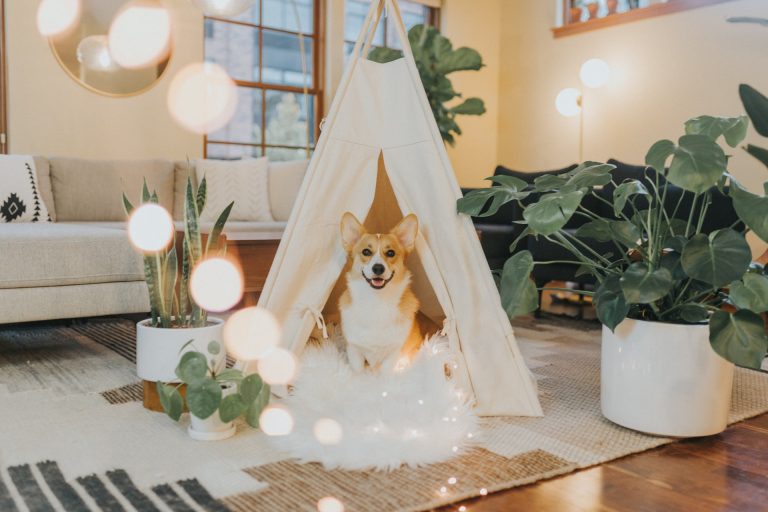
Preparation happens before paws touch the floor. Puppies feel safest in smaller, quiet spaces. Choose one room with soft lighting and limited noise. Place a comfortable bed, a water bowl, and a few chew safe toys nearby.
Avoid strong scents and loud music. This environment supports the Puppy Welcome Home transition by creating predictability. Many trainers recommend leaving the crate door open so the puppy can explore freely and rest when ready.
Puppy Welcome Home and the Power of Routine

Routine creates safety faster than affection alone. When a Puppy Welcome Home follows a gentle rhythm, puppies relax faster and feel less confused. Simple cycles work best. Bathroom break. Fresh water. Short exploration. Rest. Then repeat. This predictable flow helps puppies understand their new environment without stress.
The first day sets the emotional tone. Avoid inviting guests or creating excitement too early. Too many voices, smells, and hands can overwhelm a puppy and create stress that lasts longer than expected. Quiet introductions allow confidence to grow naturally.
A calm welcome helps puppies build trust before training begins. Once routines feel familiar, social experiences become easier and more enjoyable. For a step by step approach that supports emotional comfort and long term adjustment, this Puppy Welcome Home guide explains how to structure the first day with care.
The First Human Connection Matters

Sit on the floor and let the puppy come to you. Speak in a calm, normal tone. Avoid fast movements or excited gestures. Puppies read body language before words.
During a Puppy Welcome Home, gentle interaction builds trust. Trainers often note that puppies who control early contact develop stronger confidence and fewer fear based behaviors.
Food and Emotional Associations

Food shapes memory. Offer the same food the puppy ate before coming home. Sudden changes can cause stomach upset and discomfort during the Puppy Welcome Home period.
Hand feeding small portions builds connection and trust. Use treats lightly. The goal is comfort, not excitement. Veterinary nutrition experts recommend consistency to protect both physical and emotional health.
Creating a Quiet Celebration

Celebration does not need noise. A soft blanket. A name tag. A calm voice. These simple gestures define a meaningful Puppy Welcome Home moment.
Skip balloons and loud music. Quiet rituals feel safer and more lasting for a puppy. Photos can wait until the puppy feels settled.
Puppy Welcome Home and the First Night

The first night can feel lonely for a puppy. Place the bed close to where you sleep. Your presence offers reassurance without creating dependency.
A calm Puppy Welcome Home night includes a final bathroom break, low lights, and consistent words. Studies show predictable nighttime routines reduce anxiety and improve sleep patterns.
Introducing Family Members Slowly

Children should sit and allow the puppy to approach. Teach gentle touch and patience. Loud excitement can create fear responses.
During the Puppy Welcome Home phase, every interaction teaches something. Calm introductions build safety and trust that lasts.
Emotional Safety Builds Confidence

Confidence grows from safety. Puppies that feel secure explore more and learn faster. A Puppy Welcome Home focused on calm prevents long term stress patterns.
Animal behavior research shows overstimulation early on can increase anxiety later. Quiet beginnings lead to resilient dogs.
Puppy Welcome Home and Early Learning

Training does not start with commands. It starts with observation. Learn how your puppy moves, rests, and responds. This information guides future training.
A thoughtful Puppy Welcome Home allows learning to happen naturally. Reward calm behavior. Ignore small mistakes. Safety comes first.
Building Long Term Trust From Day One

Trust grows through consistency. Same feeding times. Same words. Same calm responses. These habits begin during Puppy Welcome Home moments and shape the bond for years.
Research in animal cognition shows predictability lowers stress hormones and improves adaptability.
Puppy Welcome Home as a Lifelong Memory

Years later, dogs return to the places where they first felt safe. A Puppy Welcome Home done with care becomes part of that memory.
The first day is not about perfection. It is about presence. Calm presence builds trust. Trust builds confidence. Confidence builds a lifelong bond.