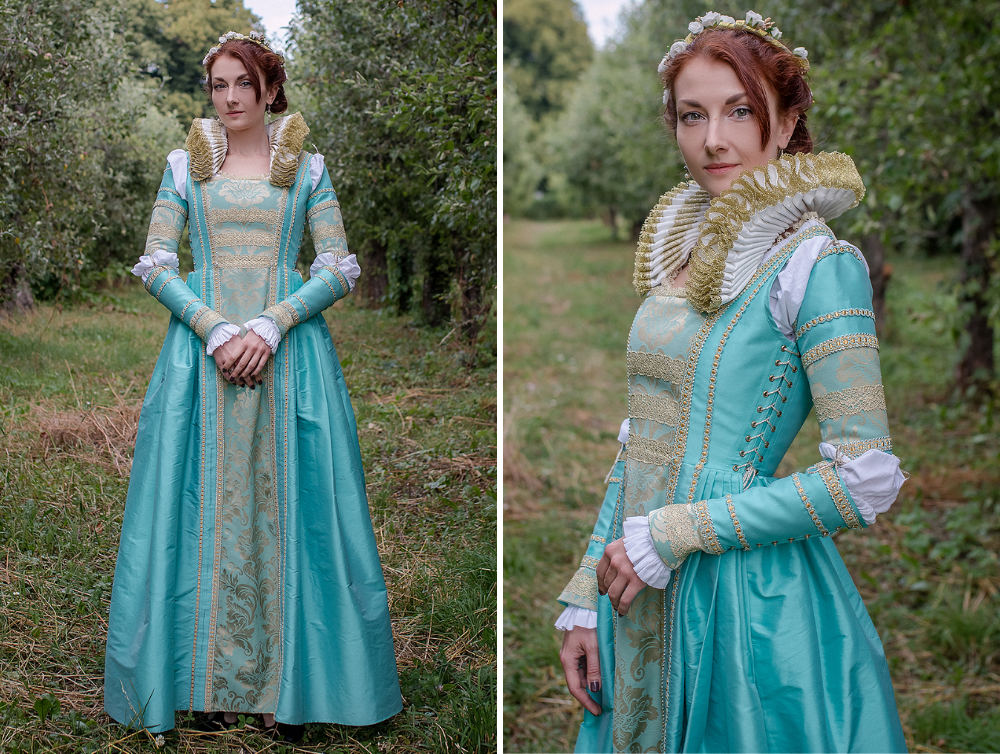
Historical fashion continues to inspire modern celebrations, festivals, and themed events. Among the many garments associated with medieval elegance, the medieval light blue dress remains one of the most visually captivating. Its soft color, flowing silhouette, and delicate embroidery evoke images of castles, royal courts, and grand celebrations.
Across medieval Europe, clothing represented identity, status, and craftsmanship. A carefully tailored gown signaled wealth and refinement. Today, designers recreate these garments for Renaissance festivals, historical reenactments, weddings, and theatrical performances. The charm of medieval fashion lies not only in its beauty but also in the stories woven into every thread.
Why the Medieval Light Blue Dress Captures Historical Elegance


During the Middle Ages, color carried deep symbolic meaning. Blue dyes required expensive pigments such as lapis lazuli or woad. Only wealthy families and noble courts could afford garments in refined shades. Because of this association with wealth and spirituality, the medieval light blue dress became connected with purity, grace, and nobility.
Royal portraits from the medieval and early Renaissance periods frequently depict queens and noblewomen wearing blue gowns with long sleeves and flowing skirts. These garments often featured detailed embroidery and decorative belts.
Museums such as the Metropolitan Museum of Art and the Victoria and Albert Museum preserve historical garments that show how color, fabric, and tailoring combined to create distinctive medieval fashion.
Cultural Symbolism Behind the Medieval Light Blue Dress


The medieval light blue dress also carried symbolic meaning within medieval culture. Blue frequently appeared in religious artwork, particularly in paintings of the Virgin Mary. This association strengthened the connection between the color blue and ideas of virtue and serenity.
Noble families often selected blue garments for celebrations and formal occasions. The color stood out against candlelit halls and stone castle interiors. During feasts and royal gatherings, gowns made from fine silk or velvet reflected light beautifully.
Design Elements of a Medieval Light Blue Dress
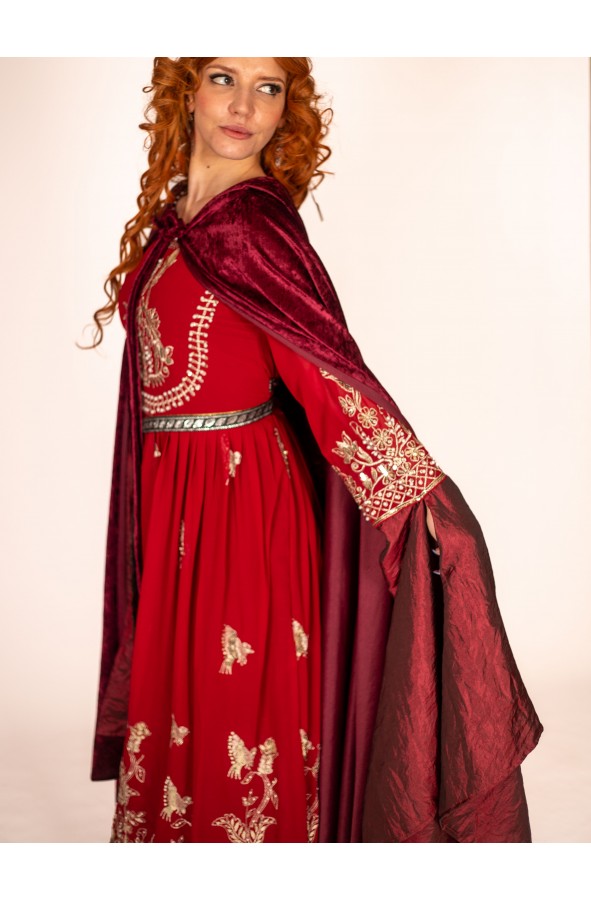


Several design elements define a traditional medieval light blue dress. The most recognizable feature is its long, flowing silhouette. Dresses often included fitted bodices that extended into wide skirts.
Sleeves also played an important role in medieval fashion. Bell shaped sleeves, long trailing sleeves, and layered undersleeves created movement and elegance. Embroidery along the neckline and cuffs added visual richness.
Fabrics such as linen, wool, silk, and velvet provided different textures depending on the wearer’s status. Wealthy families favored luxurious textiles, while simpler versions used durable wool.
Fabrics and Materials in the Medieval Light Blue Dress
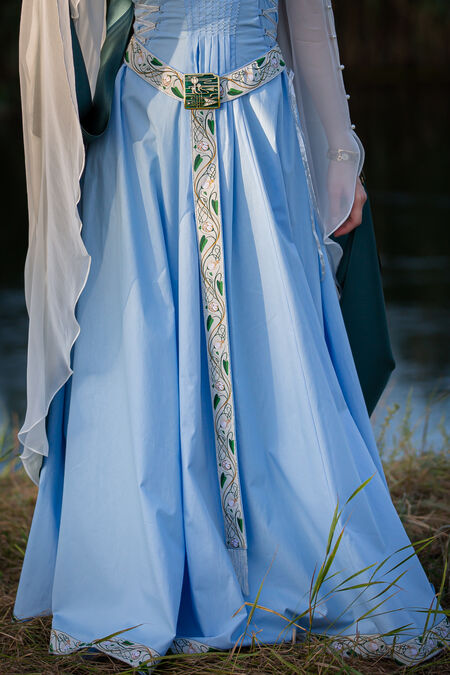


The materials used to craft a medieval light blue dress varied across regions and centuries. Linen served as a base layer because of its breathability and comfort. Wool offered warmth during colder seasons.
Silk and velvet represented luxury. Imported silk from trade routes such as the Silk Road allowed European artisans to create gowns suitable for royal courts. Gold thread embroidery and delicate lace trimming further enhanced the garments.
The Medieval Light Blue Dress in Modern Celebrations

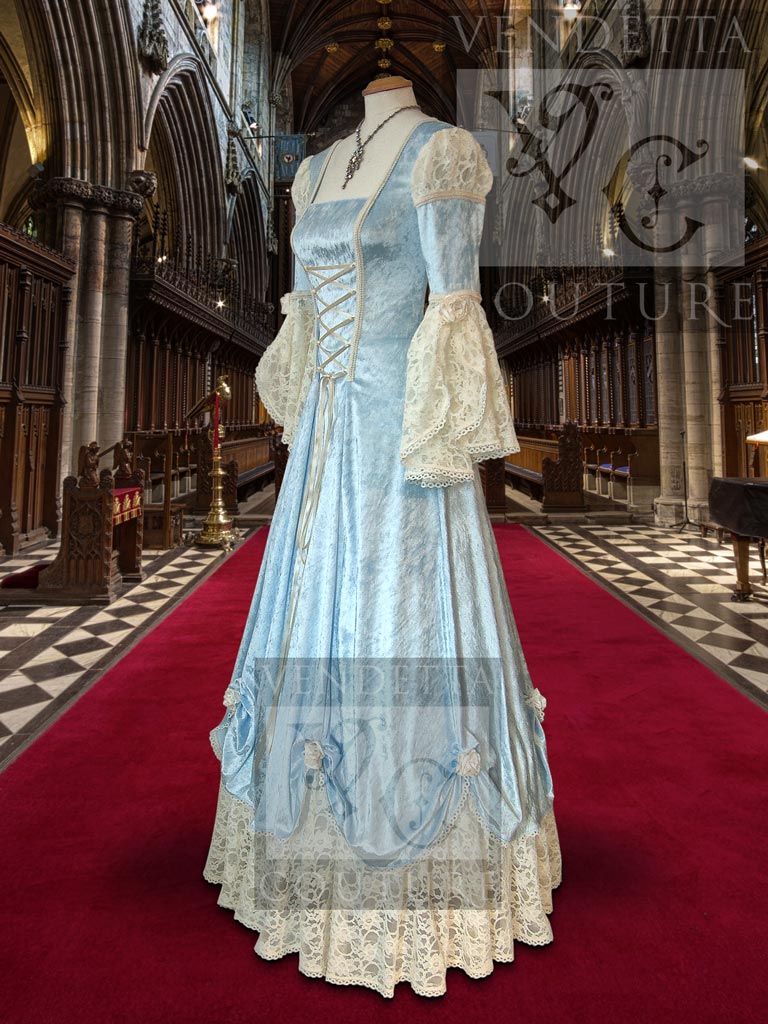

Historical fashion continues to influence contemporary celebrations. Many people choose a medieval light blue dress for Renaissance festivals, fantasy themed weddings, theatrical performances, and historical reenactments.
These modern versions preserve the essence of medieval design while adapting to contemporary comfort. Designers may use lighter fabrics, hidden zippers, or adjustable bodices to improve wearability.
Renaissance festivals across Europe and North America celebrate historical culture through music, crafts, and costume. Participants often wear historically inspired garments that reflect medieval traditions.
Styling a Medieval Light Blue Dress for Events

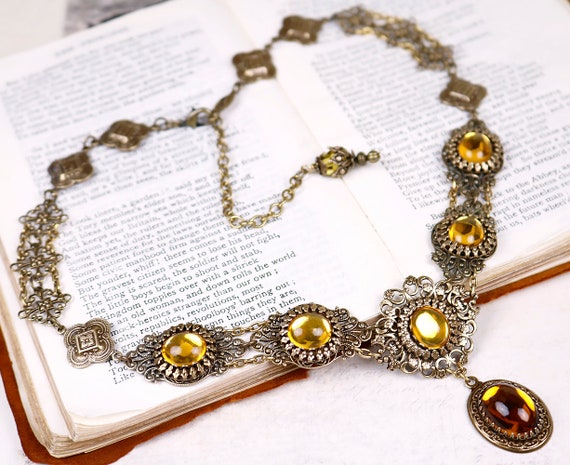
Accessories complete the look of a medieval light blue dress. Leather belts, ornate brooches, and delicate headpieces often accompany the gown. Medieval style jewelry typically includes gemstones, engraved metalwork, or simple chain designs.
Hair styling also contributes to authenticity. Braided hairstyles and floral crowns complement the flowing lines of the dress. When styled carefully, the entire outfit creates a striking visual impression.