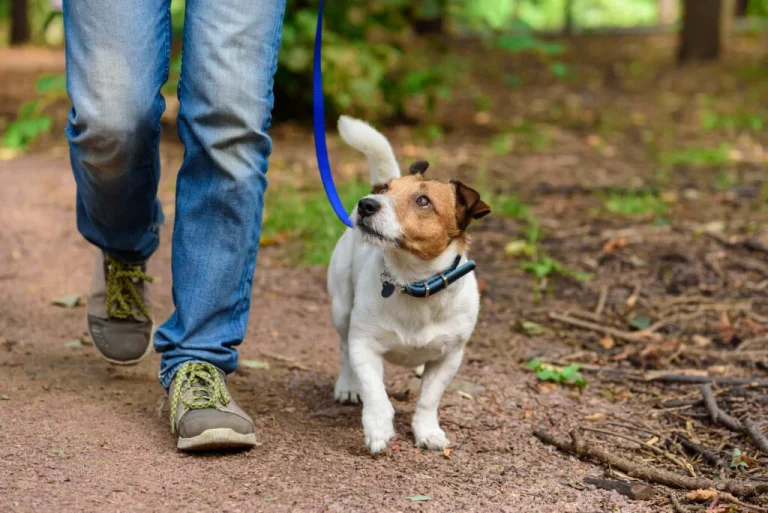
Training a dog isn’t about control. It’s about communication, clarity, and building the kind of relationship that makes life easier for both dog and owner. Most problems that families struggle with excitability, barking, pulling, ignoring commands aren’t rooted in stubbornness. They come from confusion. Dogs do better when they understand what is expected of them and when those expectations stay consistent.
Understanding how dogs learn gives owners a huge advantage. Dogs don’t respond to long explanations, tone shifts, or frustration. They learn through patterns, repetition, and predictable outcomes. Once this is understood, training becomes simpler and far less stressful.
Start With Structure, Not Commands
Many owners begin by teaching commands like sit, stay, or come. But commands are the surface layer of training, not the foundation. Before a dog can follow instructions in busy environments, it needs structure in quiet ones.
Structure includes:
- Clear routines
- Consistent mealtimes
- Predictable bathroom breaks
- Calm transitions
- Rest periods between activity
These basics help dogs understand the rhythm of the home. Structure reduces anxiety because the dog knows what comes next. This sets the stage for successful learning later.
Timing Matters More Than Words
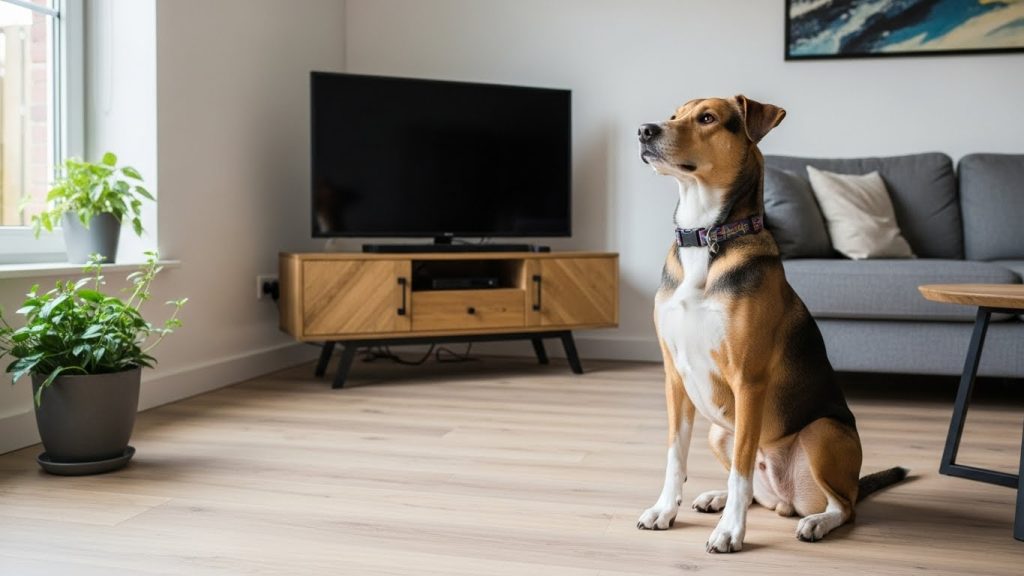
Dogs do not link actions to consequences after long delays. Timing is everything. If a puppy sits and receives praise five seconds too late, the praise may accidentally reinforce something else, like barking or jumping.
This is why trainers often say:
Reward the moment you like, interrupt the moment you don’t.
Short, simple feedback beats emotional feedback every time.

Repetition Builds Understanding
Training doesn’t work if it happens once. Dogs create habits through repetition. Successful trainers do multiple short sessions throughout the day instead of one long session. Understanding these Dog Training Basics helps people build better routines and achieve faster results. Once these basics are learned, the relationship improves and it becomes clear why dogs are often described as the best friend dog, because well-trained dogs are easier to communicate with and bond with on a deeper level.
For beginners, a good formula is:
5–7 minutes, 2–4 times per day.
This approach prevents overwhelm for both dogs and owners and turns learning into a lifestyle rather than a chore.
Calm Behavior Should Be Rewarded Too
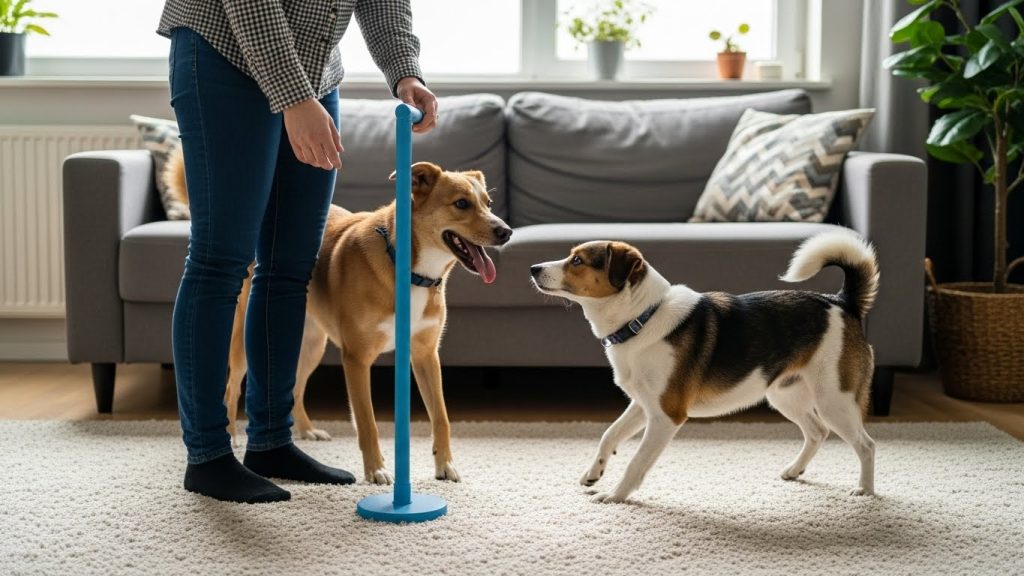
Owners often reward dogs only when they ask for a behavior. The problem is that the most important behaviors relaxing, resting, settling down, being neutral go unnoticed. Dogs eventually learn that excitement wins attention while calmness wins nothing. Understanding these Dog Training Basics helps owners reinforce calm behaviors rather than chaos. When applied consistently, it leads to a more balanced home and a richer Life With a Dog, because the dog learns how to coexist peacefully without demanding constant attention.
A better pattern is:
Reward calmness as often as enthusiasm.
This creates balanced dogs who can handle real-life environments rather than only training environments.

Socialization Is Not About Chaos
A common misunderstanding is that socialization means exposing dogs to as many people, dogs, and places as possible. In reality, proper socialization means controlled exposure where the dog can observe, stay calm, and feel safe.
Good socialization focuses on:
- observing rather than interacting
- neutrality rather than excitement
- curiosity rather than pressure
Sensitive or shy dogs especially benefit from slow introductions. Interested readers can explore how to support shy dogs during celebrations here:
👉 https://myceleberations.com/dogs-adoption-anniversary-celebration/

Avoid Flooding and Overexposure
Just like humans, dogs need time to adjust. Too much noise, handling, or attention can overwhelm a dog and create long-term anxiety rather than confidence. This is particularly true for puppies entering a new home.
A helpful first-day rhythm looks like:
Bathroom break → Water → Short exploration → Rest → Repeat
This gentle cycle builds confidence faster than constant stimulation. A full breakdown of this welcome routine is covered here:
👉 https://myceleberations.com/puppy-welcome-home-guide/

Consistency Beats Intensity
Training does not require strictness. It requires consistency. If a behavior is allowed one day and discouraged the next, the dog has no pattern to follow. Mixed signals create confusion and frustration for both sides.
Owners should remember:
- same rules in all rooms
- same rules with all family members
- same rules at all times of day
Once consistency is in place, skills like recall, leash manners, and impulse control improve significantly

Reward What You Want to See Again
Dogs repeat behaviors that produce outcomes. This is why positive reinforcement remains one of the most effective and humane approaches. Rewards don’t always need to be treats. Many dogs value:
- verbal praise
- touch
- proximity
- access to movement
- access to objects
Understanding what motivates your dog is part of training. Motivation is not bribery it is communication.