


4
The Baby’s Breath Flower looks soft and simple. Many people see it as a small filler in bouquets. But this tiny bloom carries deep meaning, strong roots in history, and real power in garden desi
Florists love it. Brides choose it. Gardeners trust it. The plant, known by its botanical name Gypsophila, grows in light clouds of white or pink blossoms. It belongs to the Caryophyllaceae family, the same plant family as carnations. Native to Europe and Central Asia, it now grows across North America and many temperate regions.
Because of its soft texture and airy shape, designers often feature it in reception decor. Many modern planners use it inside elegant table arrangements to create volume without heaviness. If you are exploring ideas for reception styling, you can also read our detailed guide on Wedding Centerpieces Flowers to understand how delicate blooms like Gypsophila transform an entire event space.
In this guide, you will learn its meaning, how to grow it, and how to care for it with confidence.
The Meaning and Symbolism of Baby’s Breath Flower


4
The Baby’s Breath Flower stands for purity, innocence, and lasting love. That is why it appears in wedding bouquets and anniversary arrangements. In the Victorian language of flowers, people used it to send quiet messages of trust and devotion.
Florists often pair Gypsophila with roses, peonies, and carnations. The tiny blooms soften bold flowers and create balance in floral design. In modern minimal weddings, many brides now use it alone for a clean and elegant look.
This flower also represents new beginnings. Parents include it in baby shower decorations. Event planners use it in baptism ceremonies. Its cloud-like form gives a feeling of lightness and hope.
The Royal Horticultural Society recognizes several cultivated varieties of Gypsophila paniculata, the most common species used in gardens and floral work. This species produces airy sprays of double or single blooms during late spring and summer.
Because of its light texture and long stems, designers frequently include it in formal event styling. In fact, it blends beautifully with roses, hydrangeas, and orchids in classic reception decor. If you are planning event styling, you can explore how this bloom pairs with structured arrangements in our guide on ballroom and beach themed wedding floral designs, where symmetry, vase choice, and flower selection shape the overall atmosphere.
Beyond symbolism, its lasting vase life makes it a practical choice. With proper hydration and trimming, fresh stems can last up to ten days. Dried stems hold shape and color for months. That durability adds to its meaning of everlasting love.
How to Grow Baby’s Breath Flower Successfully


4
Growing Baby’s Breath Flower feels simple when you understand its needs. This plant loves sunlight. Choose a spot that receives at least six hours of direct sun each day.
Well-drained soil matters most. Gypsophila prefers sandy or loamy soil with a slightly alkaline pH. Heavy clay soil holds too much moisture and may cause root rot. If your soil feels dense, mix in compost and coarse sand before planting.
You can grow it from seeds or nursery transplants. Sow seeds directly outdoors after the last frost. Lightly press them into the soil but do not bury them deep. They need light to germinate. Seedlings appear within ten to fourteen days in warm conditions.
Space plants about twelve inches apart. Good air circulation prevents fungal disease and supports healthy stems. Once roots establish, this plant tolerates dry conditions well. That makes it ideal for drought-tolerant landscapes and low-maintenance gardens.
In cooler climates, Gypsophila paniculata grows as a perennial. In warmer zones with high humidity, gardeners sometimes treat it as an annual. The United States Department of Agriculture Plant Hardiness Zone map places it best in zones three through nine.
Avoid overwatering. Too much moisture weakens the root system. Water deeply but allow the soil to dry between sessions. Balanced fertilizer applied once in early spring supports steady growth, but too much nitrogen leads to fewer blooms.
Essential Care Tips for Healthy Baby’s Breath Flower

4
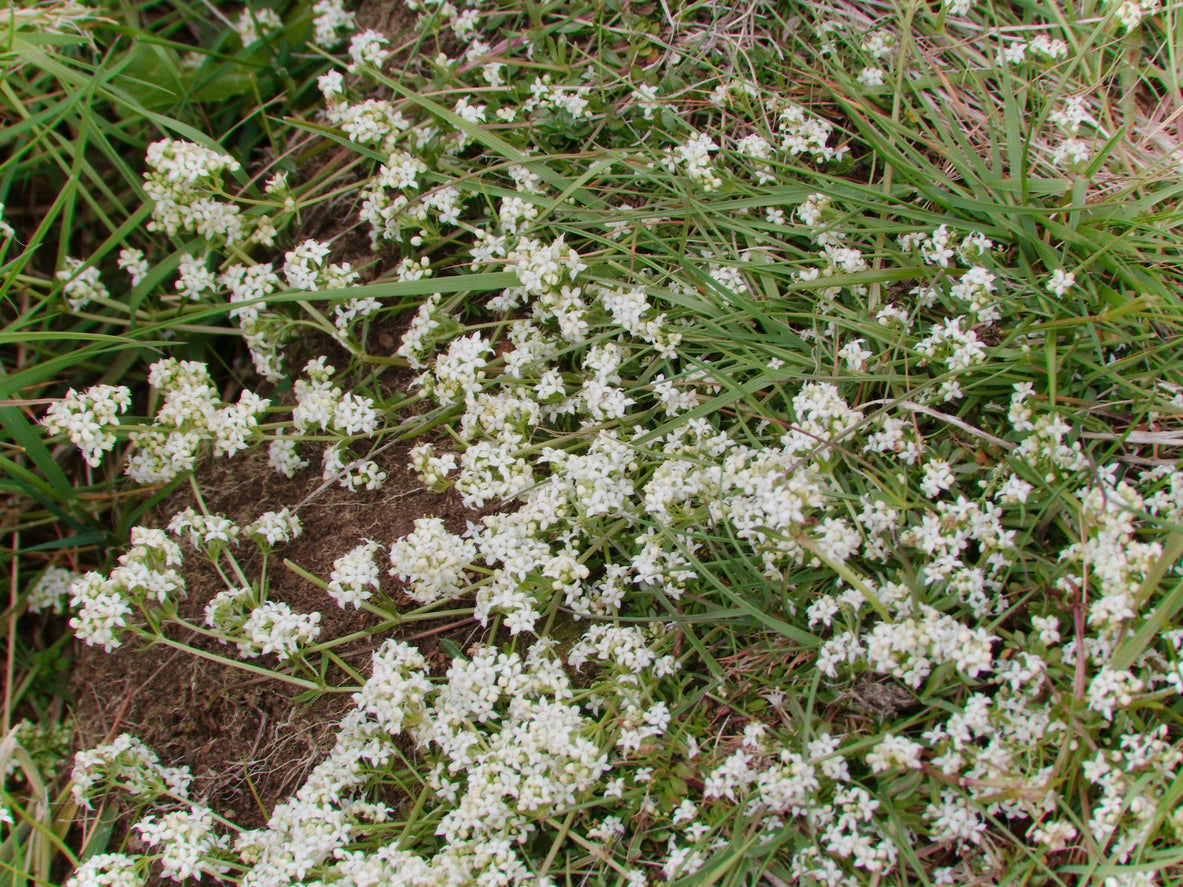
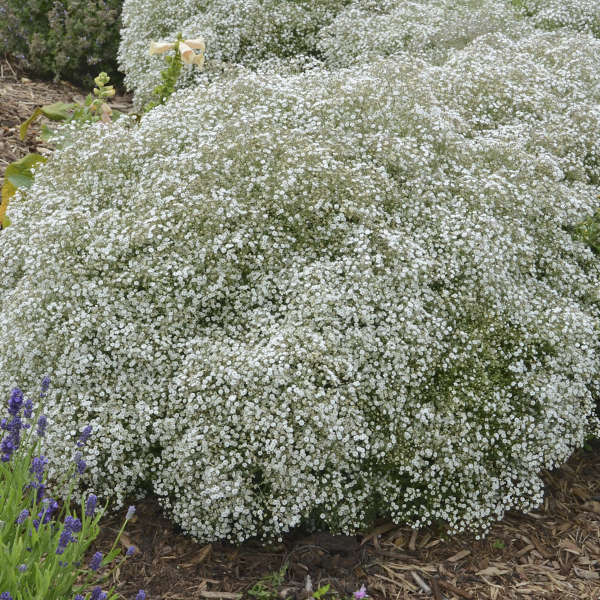
Proper care keeps the Baby’s Breath Flower full and bright through the blooming season.
Start with pruning. After the first wave of flowers fades, trim the stems back by one third. This step encourages a second bloom cycle in late summer. Use clean, sharp garden shears to prevent plant stress.
Watch for pests like aphids and spider mites. Inspect stems and leaves often. If you see small insects, spray the plant with a gentle stream of water or apply insecticidal soap. Good spacing reduces most pest problems.
Powdery mildew can appear in humid weather. Improve airflow and avoid overhead watering. Water at the base of the plant in the early morning. Sunlight dries the soil surface and lowers disease risk.
If you plan to dry blooms, harvest stems when flowers open fully but before they turn brown. Tie small bunches and hang them upside down in a dark, dry room. This method preserves shape and color. Dried Gypsophila works well in wreaths, home decor, and rustic crafts.
In colder regions, apply a light layer of mulch around the base in late fall. Mulch protects roots from freeze damage. Remove excess mulch in early spring to prevent moisture buildup.
These small actions build strong plants that return year after year.
Design Ideas and Modern Uses of Baby’s Breath Flower


4
Designers once used the Baby’s Breath Flower only as filler. Today, it takes center stage in fashion-forward events and modern interiors.
In weddings, planners create floating floral clouds above reception tables. They build ceremony arches filled with pure white blooms. The soft texture photographs well and pairs beautifully with silk dresses and natural fabrics.
Home decorators place fresh or dried stems in clear glass vases for a clean Nordic style. The look fits Scandinavian interiors, farmhouse themes, and minimalist apartments. Its neutral tone blends with wood, linen, and stone textures.
Florists also tint Gypsophila in pastel or bold colors. Soft pink, lavender, and even blue shades appear in creative bouquets. These dyed blooms match event color palettes without losing their delicate form.
Beyond decor, some herbal traditions once explored Gypsophila roots for saponin compounds. Modern gardeners focus more on ornamental value than medicinal use. Always consult reliable sources such as university extension programs before using plants for health purposes.
The simple beauty of this flower proves that small details shape powerful designs.
Common Problems and Smart Solutions


4
Even easy plants face challenges. The Baby’s Breath Flower shows stress quickly, but you can correct most issues fast.
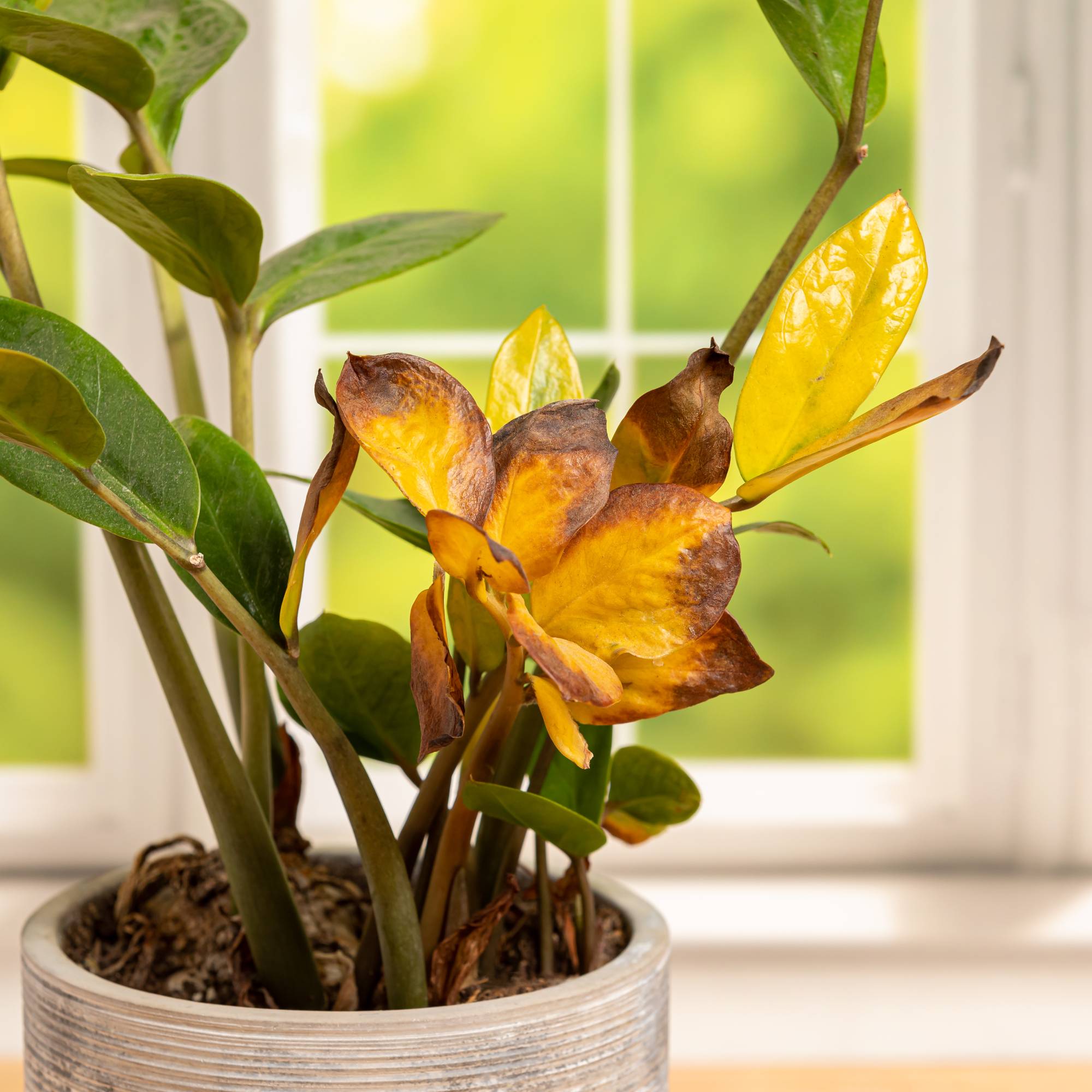
Yellow leaves often signal overwatering. Check soil moisture before adding more water. Improve drainage if roots sit in soggy ground.
Weak stems usually mean low sunlight. Move container plants to brighter areas. In garden beds, trim nearby plants that block direct light.
If blooming stops early, review fertilizer habits. Too much nitrogen encourages leafy growth instead of flowers. Choose balanced plant food and apply sparingly.
With the right adjustments, this resilient plant rebounds quickly.
Why Gardeners and Florists Still Choose Baby’s Breath Flower


4
Trends change fast in gardening and floral design. Yet the Baby’s Breath Flower remains timeless.
It grows with little effort. It thrives in sunny borders and cottage gardens. It supports pollinators such as bees during bloom season. It dries well and keeps structure for months.
Its soft texture balances bold flowers. Its meaning connects to love and purity. Its adaptability fits both rustic farms and modern city homes.
When you plant Gypsophila, you plant more than a filler flower. You plant a symbol with history, science, and beauty woven together.