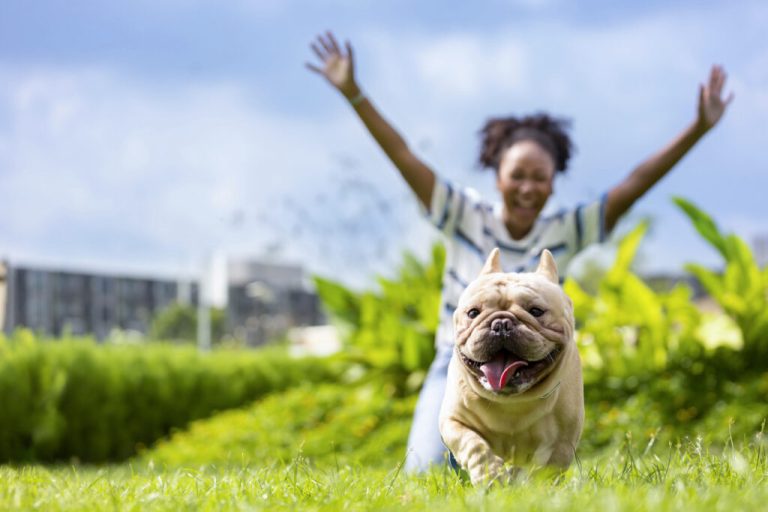








Dogs experience the world in a way that is simple, emotional, and deeply connected to humans. A dog’s day is not measured by clocks or schedules but by routines, smells, sounds, and the presence of the people they love. Understanding a day in the life of a dog helps us appreciate their loyalty, intelligence, and emotional depth.
This article walks through a typical day in a dog’s life, from morning to night, revealing how dogs think, feel, and interact with the world.
Morning: Waking Up With Hope

Breakfast Time: Food and Trust
Food is not just nutrition for dogs it is trust. When a dog eats, it feels safe and cared for. A balanced diet supports both physical health and emotional well-being.
Dogs often associate their owners with food, which strengthens bonding. This trust is why animal welfare groups like ASPCA emphasize proper feeding routines.

Morning Walk: Exploring the World
A walk is the most exciting part of a day in the life of a dog. Dogs explore the world through smell. Every tree, pole, and path tells a story.
During walks, dogs:
- Gather information through scent
- Release energy
- Improve mental health
These daily walks are essential for a dog’s happiness and behavior.

Midday: Play, Learning, and Curiosity
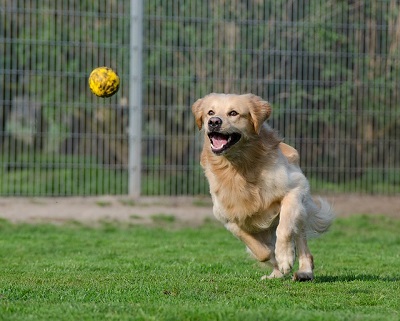
Midday is often playtime. Dogs express joy through play, whether it’s chasing a ball, chewing toys, or interacting with people.
Playtime supports:
- Intelligence development
- Emotional balance
- Physical exercise
Organizations such as PETA highlight play as a key part of humane dog care.
Afternoon: Rest and Observation
Dogs spend a large part of the afternoon resting. Sleep helps dogs process experiences and recover energy. Even while resting, dogs remain alert. They listen to sounds, recognize footsteps, and stay aware of their surroundings.
This constant awareness is closely connected to the intelligence and senses of dogs. Their ability to rest while staying mentally alert shows how their hearing, memory, and adaptive intelligence work together. Understanding these abilities explains why dogs can quickly respond to changes in their environment, even after long periods of rest.

Evening: Family Time and Emotional Bonding
Evening is emotionally important. Dogs wait all day for their humans to return home. This reunion is the highlight of a day in the life of a dog.
Dogs show affection by:
- Following owners
- Sitting close
- Seeking eye contact
Animal organizations like Blue Cross of India emphasize emotional care alongside physical needs.

Night: Safety, Comfort, and Sleep
At night, dogs seek comfort and security. They prefer sleeping near their owners or in familiar spaces. Nighttime is when dogs fully relax, knowing they are safe.
A calm night routine reduces anxiety and supports healthy behavior.

What a Dog’s Daily Life Teaches Us
A dog’s life teaches important lessons:
- Loyalty
- Patience
- Living in the moment
Dogs do not worry about the future or regret the past. Their happiness depends on love, care, and routine.

Conclusion
A day in the life of a dog is simple yet meaningful. From morning excitement to nighttime rest, every moment revolves around trust, routine, and emotional connection. Dogs may not speak our language, but they understand love better than most.
By respecting their daily needs, we strengthen one of the purest bonds in nature.