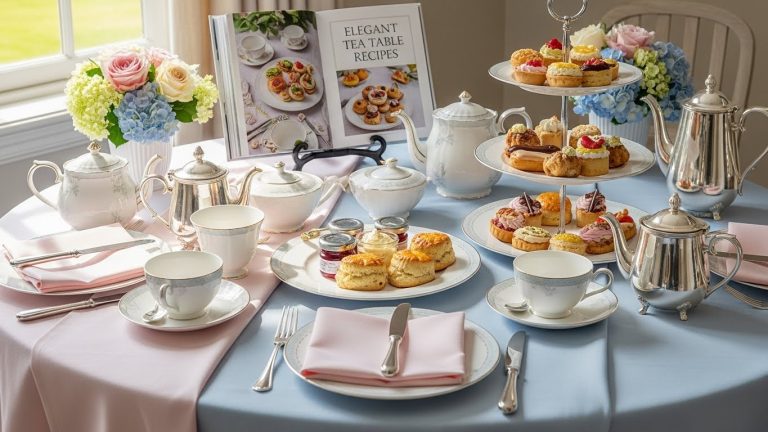
Why Family Get Togethers Feel Better Around a Shared Snack Board
Every celebration starts with a feeling. Laughter fills the room. Shoes pile up near the door. Conversations overlap. In moments like these, food does more than feed people. It connects them. DIY snack boards work because they slow everyone down and pull them together. Guests pause, pick, and talk. No one rushes. No one waits for plates.
At Family Get Togethers, snack boards remove pressure from the host. You prepare once. You serve once. Then you stay present. That is the real luxury.
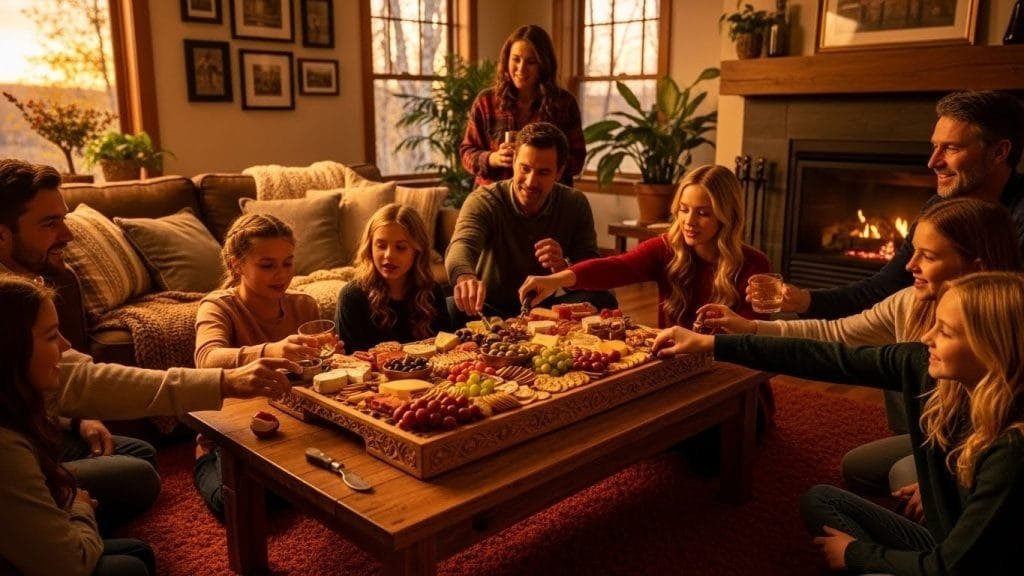
Every celebration starts the same way. Laughter fills the room, shoes pile up near the door, conversations overlap before anyone’s even sat down. Food does more than feed people in moments like these it gives everyone a reason to slow down and pay attention to each other. That’s really the whole case for a snack board over a sit-down spread: guests pause, pick, talk, and nobody’s waiting around for someone to bring out plates.
For the host, the appeal is even more practical. You put the board together once, set it out once, and then you’re actually free to enjoy the party instead of running back and forth from the kitchen.
Planning It Without the Stress
Start with your guest list count adults and kids separately, and note anything you need to work around: vegetarian, nut allergies, someone who can’t handle spice. A board that balances comfort foods with fresher bites tends to please almost everyone.
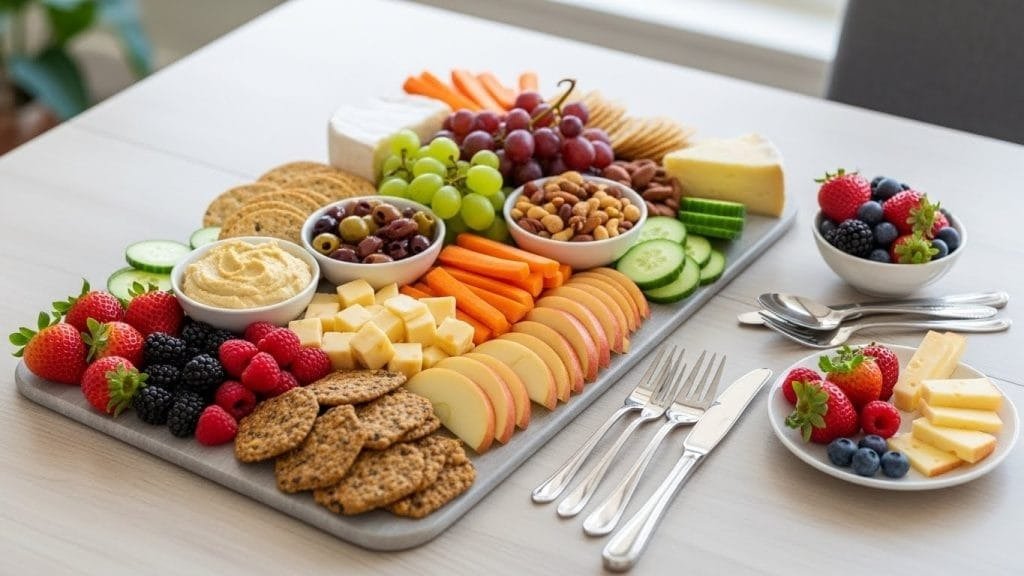
Keep it simple with four rough categories: something crunchy (crackers, breadsticks), something creamy (hummus, labneh), something fresh (grapes, apple slices, cucumber), and a savory protein (grilled chicken strips, boiled eggs). That structure alone keeps a board from turning into a random pile of snacks.
Variety beats quantity here. Guests notice when there’s something for them specifically, even if it’s just one small dish.
Matching the Board to the Occasion
The right board style depends on what kind of gathering you’re hosting. A casual evening suits a loose grazing board. A more formal living room setting calls for something closer to a charcuterie spread. Cultural gatherings often work best with mezze-style platters hummus, olives, pita, that kind of thing.
Color matters more than people expect, too. Soft pastels read as spring, brighter tones suit summer, warm earth colors fit autumn, and deeper metallics work for winter. Getting this right isn’t just about aesthetics it makes the board look intentional rather than thrown together, and it photographs better if anyone’s taking pictures. If you want more on this, our Decor Color Palettes guide goes deeper into pairing seasonal colors with table styling.
Board and Tool Choices That Actually Matter
Wood boards feel warm and casual. Marble looks more polished. For bigger groups, a large tray beats a small board every time you’ll spend less time refilling. You don’t need fancy equipment: small bowls for dips, a cheese knife, a serving spoon, and some toothpicks cover almost everything.
When assembling, place the heavier items first cheese blocks, filled bowls then fill in the gaps with crackers and fruit. It keeps the whole thing from shifting around and looks more deliberate.
If kids will be reaching for things too, pick tools they can handle safely without needing help every two minutes.
Making It Work for Kids
Kids respond to color and familiar foods more than anything fancy. Mini pancakes, cheese cubes, grapes, strawberries, a few cookies keep the spice level at zero and skip hard nuts for younger kids.
Small labels help more than you’d think. They cut down on the “what’s this?” questions and the mess that comes from kids poking at everything to find out. Parents notice when a board’s been planned with their kids in mind, and it takes some pressure off them too.
Presentation Tips Worth Bothering With
A little visual contrast goes a long way pale crackers next to dark grapes, a sprig of rosemary tucked in for color and smell, meats folded rather than stacked flat, fruit fanned out instead of piled. None of this takes much extra time, but it changes how the board reads at a glance.
Light matters more than people realize. Near a window during the day, the board just looks better. In the evening, warm lamp light does the same job. And it’s worth wiping spills and cleaning edges as you go rather than waiting until the end.
People genuinely eat more freely when food looks cared for. It sounds small, but it changes how a party feels.
Don’t Skip Food Safety
Dairy shouldn’t sit out for hours refresh the board in stages instead of leaving everything exposed the whole time. Keep backups in the fridge and swap items in rather than topping off the same spot repeatedly.
Give each dip its own utensil so people aren’t double-dipping with the same spoon. Wash produce properly. Keep napkins within reach so nobody’s wiping hands on their jeans.
None of this is complicated, but skipping it is the fastest way to make guests uneasy about eating.
Mistakes Worth Avoiding
Too many items on one board just confuses people they don’t know where to start, and the board looks messy fast. Stick with fewer, better choices, and avoid anything with a strong smell that’ll dominate the room. Keep the board at a height kids and older guests can actually reach.
Timing trips people up too. Set the board out before guests walk in, not while they’re already standing around waiting. First impressions on a snack table matter more than you’d guess.
The Real Point of All This
A good snack board isn’t really about the food. It gives people a reason to gather around one spot, pick at something together, and actually talk instead of hovering near a buffet line. You don’t need it to be perfect you just need to have thought about it a little.
Most people remember how a gathering felt, not what was on the table. A board that’s been put together with some care helps get you there.
How to Plan DIY Snack Boards for Family Get Togethers Without Stress
Good planning makes everything feel effortless. Start with your guest list. Count adults and kids. Note dietary needs like vegetarian, nut-free, or low spice preferences. A smart board balances comfort foods with fresh bites.
Use simple categories. Crunchy items like crackers and breadsticks. Creamy elements like hummus or labneh. Fresh produce such as grapes, apple slices, or cucumber sticks. Savory proteins like grilled chicken strips or boiled eggs. This structure keeps the board organized and inviting.
For Family Get Togethers, variety matters more than quantity. People enjoy choice. They feel seen when options exist.

DIY Snack Board Styles That Work Best for Family Get Togethers
When planning Family Get Togethers, the right combination of boards and seasonal styling makes all the difference. Casual evenings call for grazing boards, formal living rooms shine with charcuterie-inspired spreads, and cultural gatherings come alive with mezze platters. Choosing colors that reflect the season soft pastels in spring, bright airy tones in summer, warm earth hues in autumn, and deep metallic accents in winter not only enhances the mood but also ensures your setup photographs beautifully. For more guidance on matching your boards to seasonal themes and creating harmony in every detail, explore our Decor Color Palettes guide, which shows how colors can elevate both style and family moments.

Choosing the Right Board and Tools for Easy Setup
The board itself sets the tone. Wooden boards feel warm and natural. Marble boards look elegant. Large trays work for big groups. You do not need expensive tools. Small bowls for dips. Cheese knives. Serving spoons. Toothpicks.
Place heavier items first. Anchor the board with bowls and blocks of cheese. Then fill gaps with crackers and fruit. This method keeps the layout stable and visually balanced.
At Family Get Togethers, practicality matters. Choose tools that kids can use safely.
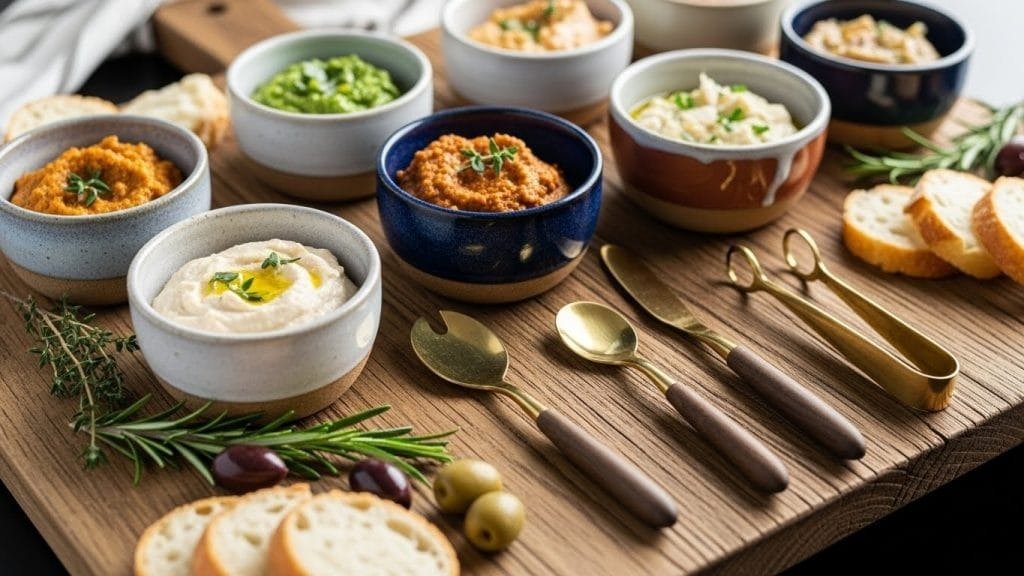
Kid Friendly Snack Board Ideas Everyone Appreciates
Children gravitate toward color and familiarity. Add mini pancakes, cheese cubes, grapes, strawberries, and cookies. Keep spices mild. Avoid hard nuts for younger kids.
Labeling helps. Small name cards reduce confusion and mess. Parents relax when they see thoughtful planning.
At Family Get Togethers, kids feel included when food feels designed for them.
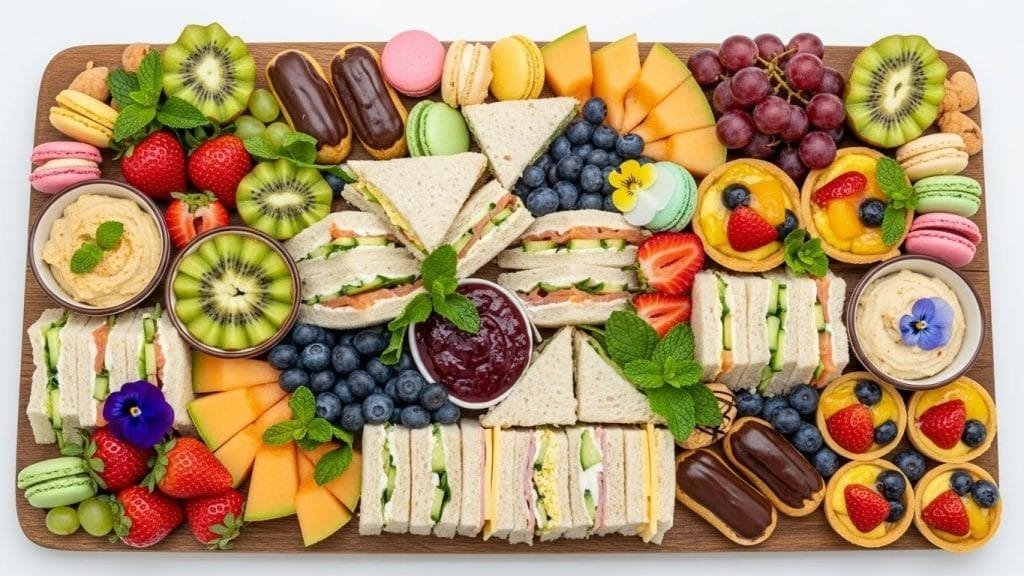
Presentation Tips That Make Snack Boards Look Professional
Visual balance matters. Use color contrast. Pair light crackers with dark grapes. Place herbs like rosemary for freshness. Fold meats. Fan fruits. Keep spacing natural.
Lighting changes everything. Place boards near windows during the day. Use warm lamps in the evening. Clean edges. Wipe spills quickly.
For Family Get Togethers, beauty enhances comfort. People eat more freely when food looks inviting.

Food Safety and Freshness You Should Not Ignore
Temperature control protects health. Do not leave dairy out for hours. Refresh boards in stages. Store backup items in the fridge. Replace items instead of refilling the same spot.
Use separate utensils for each dip. Wash fruit properly. Keep napkins nearby.
At Family Get Togethers, trust builds when guests feel safe eating.
Common Mistakes to Avoid When Hosting Family Get Togethers
Overcrowding ruins flow. Too many items confuse guests. Stick to quality. Avoid strong smells that overpower the room. Do not place boards too high for kids or elders.
Another mistake involves timing. Set the board before guests arrive. First impressions matter.
Smart hosting at Family Get Togethers feels calm, not chaotic.

Final Thoughts on Creating Meaningful Family Get Togethers
DIY snack boards do more than serve food. They create moments. They invite sharing. They reduce effort while increasing warmth. You do not need perfection. You need intention.
When people gather, they remember how they felt. A thoughtful board helps them feel welcome, relaxed, and connected.
That is the true success of Family Get Togethers.